Patient Resources
There is no single approach to living well with Charcot-Marie-Tooth disease. Good care is multi-modal, drawing on bracing, physical therapy, pain management, surgery, and much more, matched to your needs and your subtype. HNF has spent more than two decades building practical resources for the CMT community, organized here so you can find what matters most to you right now.

Everything HNF supports for living well with CMT, grouped so you can find what you need. Open any card for a full, plain-language guide.
Start Here
For the first days and weeks.
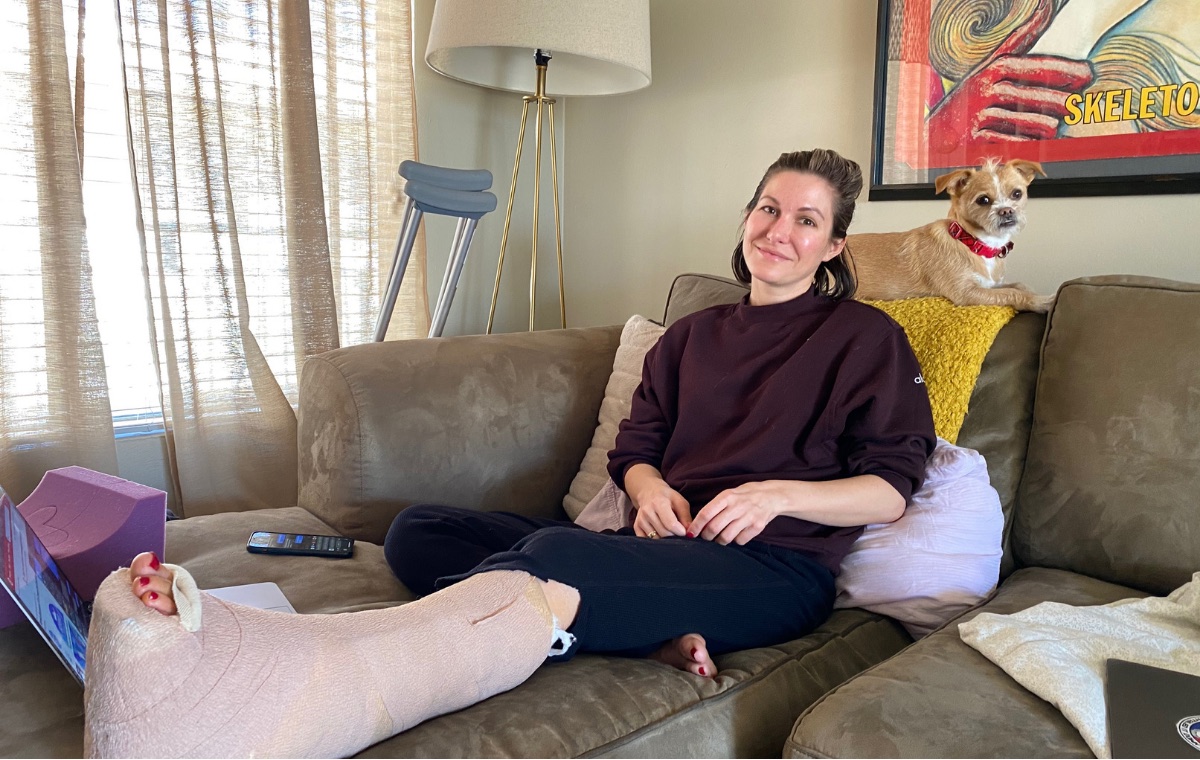
Medical Care & Treatment
The clinical side of living well.
Most people with CMT build a care team over time: a neurologist, a physical therapist, an orthotist, sometimes a surgeon. These guides walk through each piece of that care, so you know what to ask for and when to ask for it. None of it requires starting over with a specialist center: bring these pages to the providers you already have, and use them to shape the conversation.

Daily Living & Independence
Real-world tools for everyday life.
Small changes add up to real independence, from the right mobility aid to a kitchen tool that actually works for weaker hands. Start with whatever would make today easier, and build from there. The products and strategies in these guides come from people living with CMT, not from a catalog, so they solve the problems that actually come up.

Mind, Relationships & Family
The parts of CMT that are not physical.
CMT lives in the body, but it touches mood, confidence, and the people closest to you. These pages cover the emotional side of the disease with the same practical honesty as the medical ones. Whether you are the patient, the partner, or the parent, there is a page here written for exactly where you are standing.

Rights, Work & Money
Know your rights, and your options.
You have legal rights at work, at school, and with your insurance company, and knowing them changes outcomes. These guides help you ask for what you are entitled to, in writing, with confidence. Each one breaks the process into steps, with the wording and documentation that tends to get accommodations and claims approved the first time.
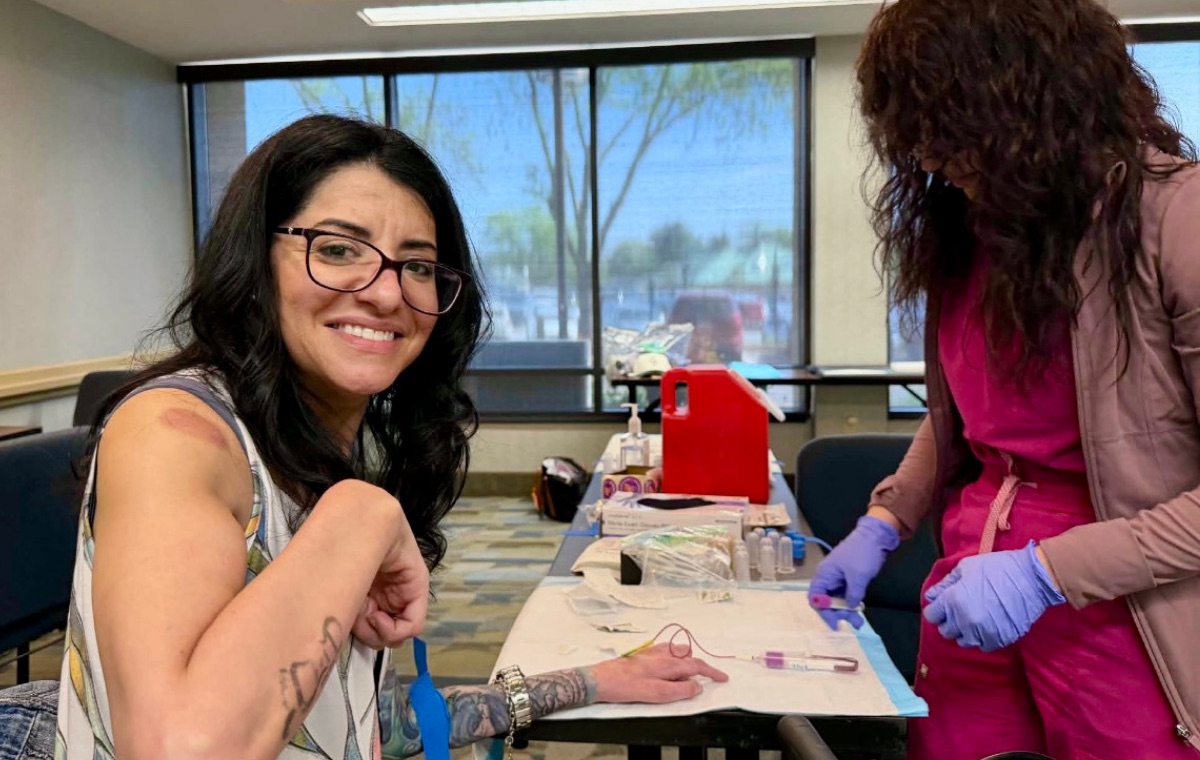
Community & the Cure
Where information becomes support, and patients drive the cure.
No one should face CMT alone, and community is also how the cure gets built. Meet the people, programs, and research that patients themselves power, then find your place in them. Start with a webinar or a podcast episode, join the registry when you are ready, and watch strangers turn into people who genuinely get it.

Listen your way through all of it
HNF’s two podcasts cover the topics on this page and more, one honest conversation at a time. CMT Simplified breaks down complex medical news into clear, practical insights on living with and treating CMT. emBRACE It brings humor, heartfelt stories, and expert resources from hosts and guests who live boldly with disability.
Explore the podcastsNewly diagnosed?
The most useful first step is confirming your subtype. From there, the right resources, care, and research opportunities fall into place.
Found these resources helpful? Support HNF’s patient programs →