Digital Biomarkers & Wearables
To prove that a CMT therapy works, researchers have to measure change, and the traditional ways of measuring CMT are coarse, subjective, and confined to the clinic. HNF is investing in digital and wearable measures that capture how the disease affects people objectively, sensitively, and in the real world, so the next generation of CMT trials can detect benefit that older tools would miss.
The gap is easy to describe. CMT changes slowly, and a clinician scoring strength or balance twice a year is taking two snapshots of a life that is lived every day in between. Two examiners can score the same person differently, and a person having a good hour in a clinic looks nothing like the same person at the end of a long day. That noise is not a minor inconvenience: it is what forces trials to be larger, longer, and more expensive than the science requires, and it can bury a real treatment effect under measurement error.
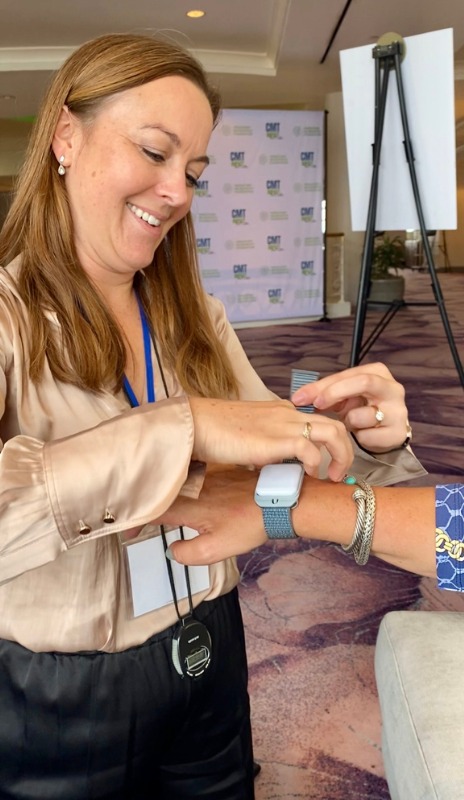
A sensor worn during ordinary life closes that gap. It records how far someone actually walks, how steadily, and how that holds up as fatigue sets in, continuously and without anyone scoring anything. HNF develops these measures with BioSensics and takes them to the FDA deliberately, because an outcome measure only helps patients once regulators accept it as evidence.
Why digital measures matter for CMT
HNF engages FDA regulators to bring innovative and digital technologies into CMT research, because clearer data capture is one of the things standing between a candidate therapy and approval. Digital biomarkers change the measurement problem in four ways.
HNF's wearable pilot studies
As part of CMT DEPLOY, HNF runs wearable technology pilot studies designed to develop and validate both traditional and innovative outcome measures for CMT. The aim is practical: real-world monitoring that produces measures sensitive enough to support clinical trials and credible enough for regulators.
These pilots sit alongside HNF's natural history work in GRIN. Together they build the longitudinal, objective evidence base that lets sponsors design CMT trials around endpoints that can actually move, and that the FDA can recognize.
What wearables capture
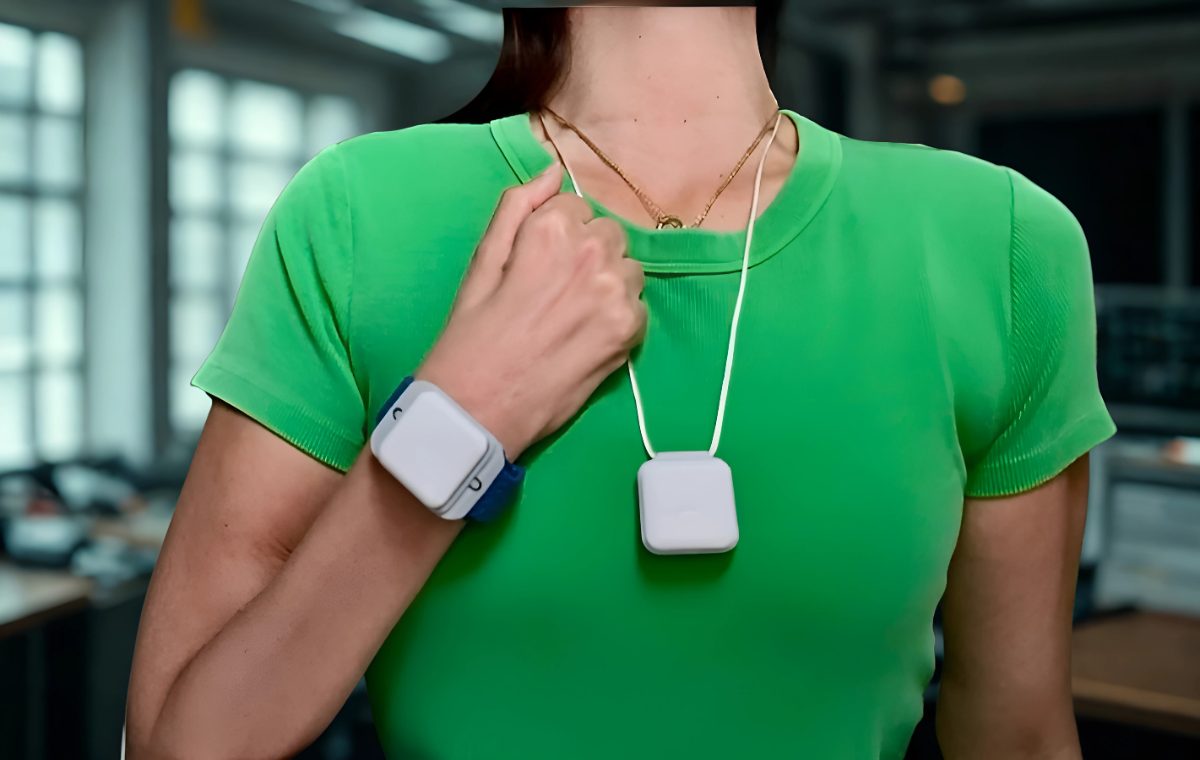
Worn during ordinary daily life, a small sensor can quantify the parts of CMT that matter most to mobility and independence, and track how they change over time.
- Gait and walking patterns
- Daily step count and activity levels
- Balance and postural stability
- Fatigue and endurance over the day
- Fine and gross motor function
Built with BioSensics
HNF develops its wearable measures with BioSensics, a digital health technology company specializing in wearable sensors and remote monitoring. BioSensics is a named partner in HNF's CMT DEPLOY initiative, contributing the devices and analytics behind the pilot studies.


HNF's integration of wearable digital health technology is transforming CMT clinical trials, setting a new standard for real-world, patient-focused data. This innovative approach delivers real-time, sensitive measures of treatment efficacy, accelerating progress toward life-changing therapies.
Frequently asked questions
What are digital biomarkers?
Digital biomarkers are objective measures of how Charcot-Marie-Tooth disease affects the body, captured by wearable sensors during everyday life rather than by a periodic clinic exam. They quantify things like gait, activity, balance, and fatigue.
Why do wearables matter for CMT trials?
CMT progresses slowly, so small changes are hard to detect with traditional scales. Wearables provide objective, sensitive, real-world, continuous data, which can make smaller effects visible and mean shorter trials, fewer participants, and clearer answers.
Who does HNF work with on digital measures?
HNF develops its wearable measures with BioSensics, a digital health technology company specializing in wearable sensors and remote monitoring. BioSensics is a named partner in HNF’s CMT DEPLOY initiative.
How does this help get a therapy approved?
A trial can only succeed if it can detect the effect of a therapy. By validating digital outcome measures with the FDA in view, HNF strengthens the evidence base that regulators rely on to review a CMT treatment.
Advance digital measurement for CMT
If you develop digital health technology or run trials that need validated CMT endpoints, HNF can help you connect to the right data, sites, and patient cohorts. The measurement layer is part of what makes a CMT trial work.
See the bigger story of how technology is reshaping CMT research on our Emerging Technologies impact page →