FDA & regulatory engagement
For the FDA to approve a treatment, it has to understand how Charcot-Marie-Tooth disease affects a patient’s life, what matters most to patients, and how to measure whether a therapy helps. HNF has spent years building that understanding into the regulatory record: convening the first Patient-Focused Drug Development meeting for CMT, publishing the Voice of the Patient report, and gathering the natural history and outcome data regulators expect to see before a trial is designed. So that when a CMT therapy reaches review, the patient voice is already part of the evidence.

Why regulators need the patient voice
Regulatory decisions weigh benefit against risk: minimising serious side effects, and choosing endpoints that reflect a real improvement in patients’ lives. None of that is possible without a clear picture of how CMT is actually experienced, which symptoms matter most, and what patients would accept from a treatment.
HNF takes a deliberate stance as a patient advocacy organization: supplying real-world data to the FDA and other stakeholders, and helping industry follow the FDA’s Patient-Focused Drug Development guidance for incorporating the patient’s voice into medical-product development and regulatory decision-making.
“Doing those natural history studies provides all the information about what you need to measure, how often you can measure it, what is tolerated by your community.”
September 28, 2018
The externally-led PFDD meeting
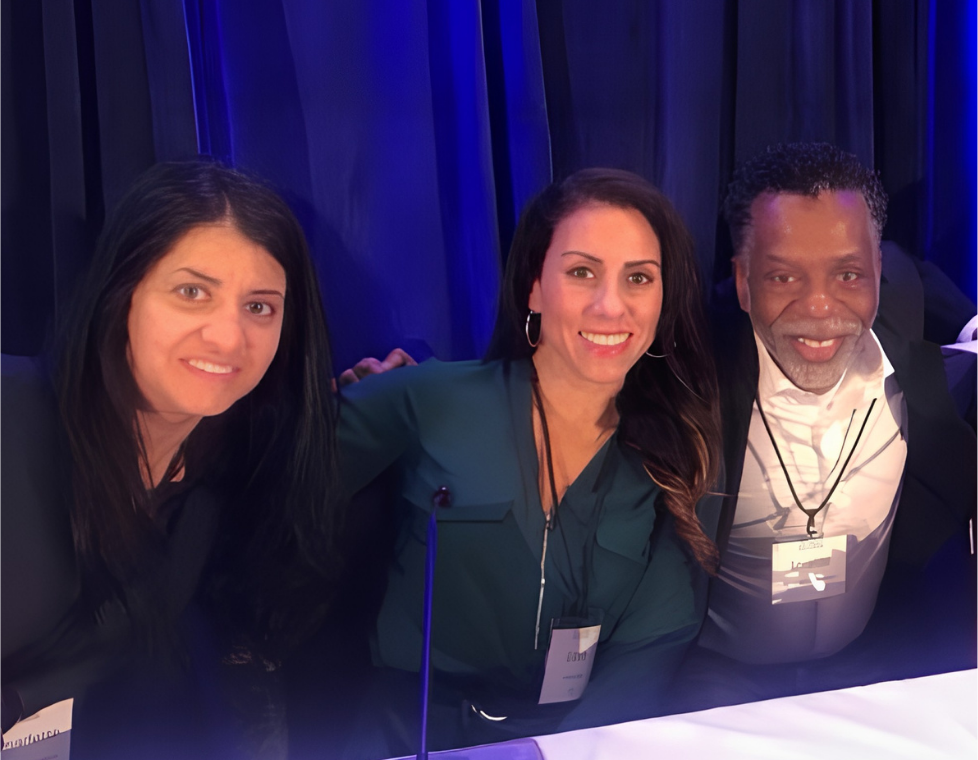
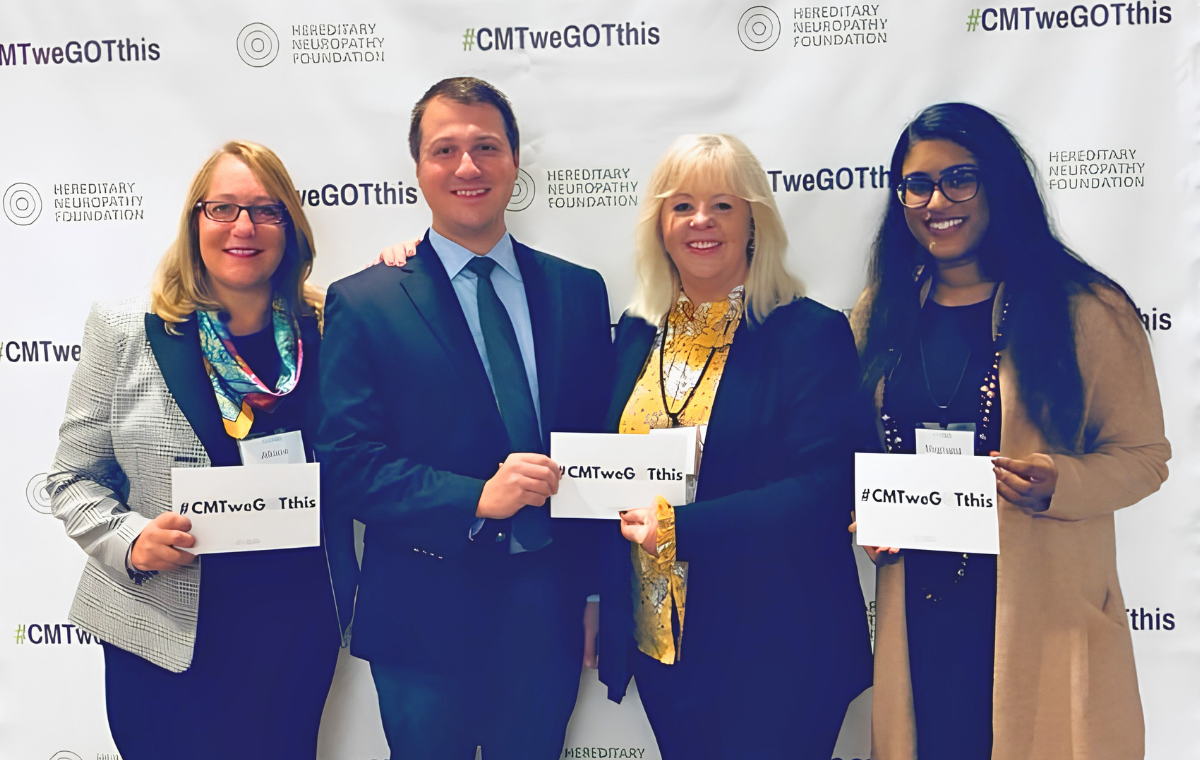
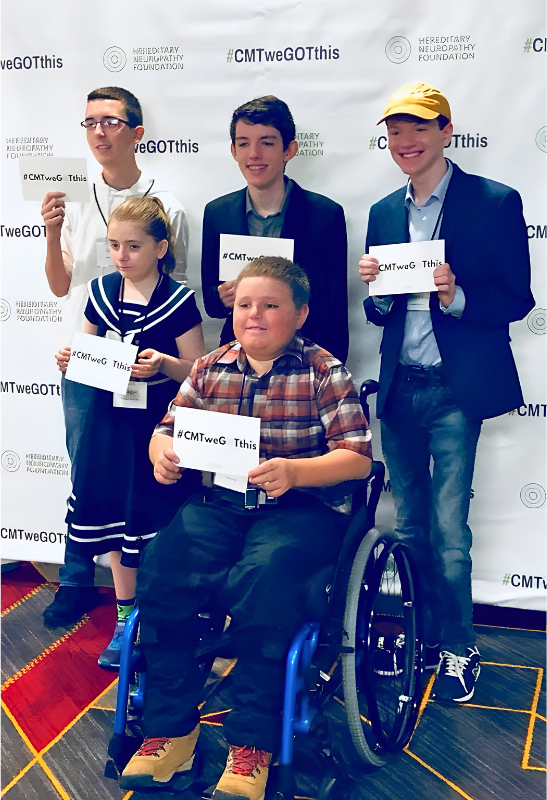
In 2018, HNF became the first patient organization to convene the U.S. Food and Drug Administration (FDA) for a Patient-Focused Drug Development meeting for CMT. HNF hosted an externally-led meeting that brought patients, caregivers, government officials, healthcare providers, industry representatives, and payors into one room. Through facilitated panel discussions, people living with hereditary neuropathies described the symptoms and daily-life impacts that matter most to them, and their views on existing and future treatments.
The result is a documented record, the Voice of the Patient, that HNF continues to share with the FDA, biotech, and pharma, so that patients’ experiences, perspectives, and needs inform how new treatments are developed and reviewed.
Read the Voice of the Patient report
August 4, 2026
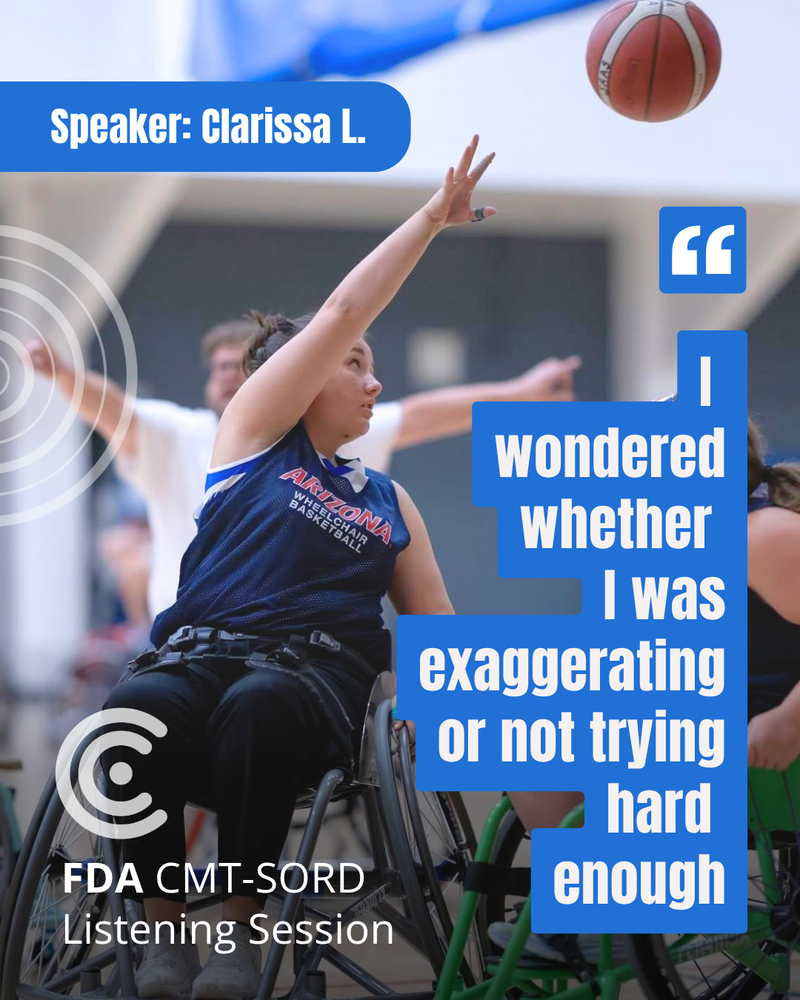
The FDA CMT-SORD listening session
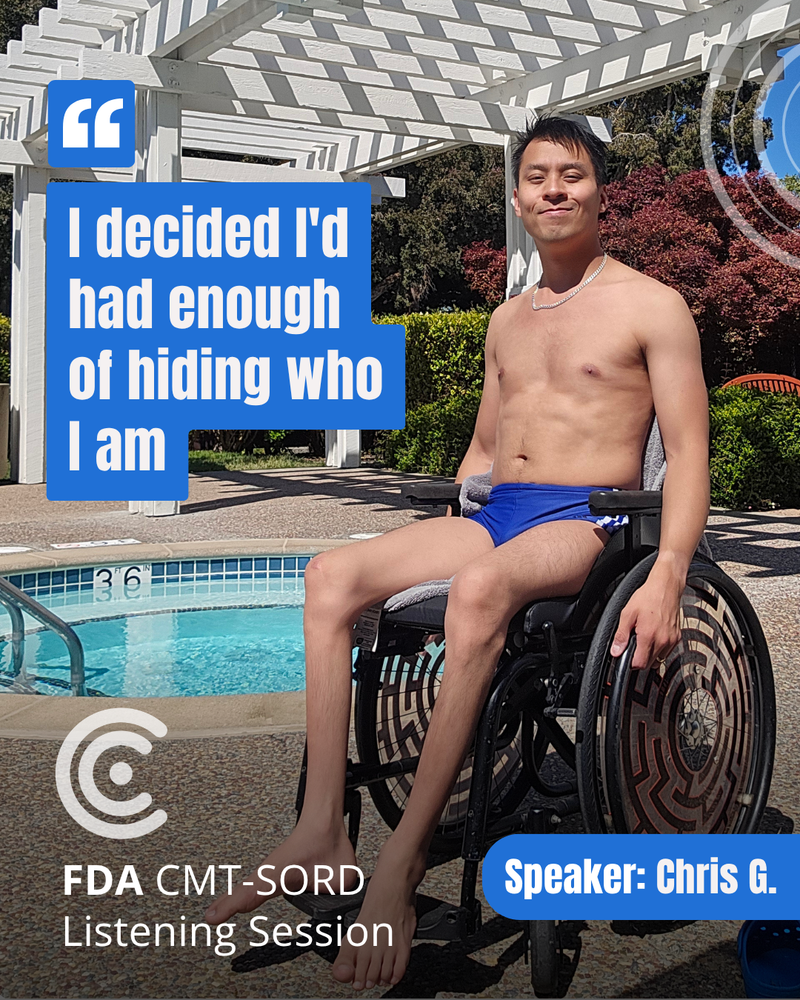
In August 2026, HNF organized an FDA Rare Disease Patient-led Listening Session on CMT-SORD, a recently identified recessive form of CMT caused by changes in the SORD gene. Patients and caregivers spoke directly to FDA staff about what the disease takes from daily life, how long diagnosis took, and what a meaningful treatment would change for them.
The session is summarized in a written report that HNF shares with the FDA, biotech, and pharma, so the CMT-SORD patient voice is on the record as treatments move toward review.
Read about the listening session Read the full report

What HNF brings to the regulatory table
HNF maintains a menu of resources and tools to support FDA engagement and help industry meet the standard for patient-experience evidence.
Regulatory science
Through CMT DEPLOY, HNF develops natural history protocols and outcome measures in alignment with the Critical Path Institute (C-Path) and the FDA, with the goal of regulatory submission for validated tools that can be built directly into trials. The aim is simple: get the methods that measure CMT accepted, so the trials that follow can succeed.
Frequently asked questions
What is a Patient-Focused Drug Development (PFDD) meeting?
A PFDD meeting is a structured forum in which the FDA hears directly from patients about how a disease affects daily life, which symptoms matter most, and what a meaningful treatment outcome looks like. The output informs how the agency evaluates therapies in that disease area, including which endpoints and patient-reported outcomes it views as meaningful.
What is HNF’s role with the FDA in CMT?
HNF was the first patient organization to convene the FDA for a Patient-Focused Drug Development meeting for CMT (2022). The result is the Voice of the Patient, a documented record HNF continues to share with the FDA, biotech, and pharma so that patients’ experiences inform how new treatments are developed and reviewed.
How does this help a sponsor developing a CMT therapy?
The patient voice the agency looks for in CMT review is already gathered and structured, rather than something a sponsor must assemble alone late in development. HNF’s PFDD work and ongoing natural history data help inform which endpoints are most defensible in review, and HNF can bring the patient voice and the agency’s expectations into pre-IND planning, where regulatory risk is cheapest to manage.
Does engaging HNF guarantee FDA approval?
No. Regulatory groundwork lowers risk and shortens the path; it does not guarantee approval, and it does not guarantee a cure. What a CMT therapy can achieve depends on the subtype and how early it is caught. We say that plainly, to the FDA and to partners.
Work with us on regulatory strategy
If you are developing a CMT therapy and need patient-experience data, natural history evidence, or a regulatory strategy grounded in the patient voice, HNF can help.
See the patient and impact side of this work on our PFDD story, or, if you live with CMT, join GRIN and complete the natural history survey → Your data is what the FDA needs to see.