Patient-Reported Outcomes
Nobody understands Charcot-Marie-Tooth disease better than the people who live with it. HNF has spent years turning that lived experience into patient-reported outcomes: structured, real-world evidence of what CMT does to daily life. That evidence is now a foundation of how CMT therapies are designed, tested, and reviewed.
Where it started: 2007
HNF’s patient-focused research dates back to 2007, when it launched its first funded study, “What It’s Like To Live with Charcot-Marie-Tooth (CMT): The Stories of Those Who Know it Best.” Published by Drs. Elizabeth Barrett and Carole Birdsall as an essential guide, it helped people with CMT learn how the disease affects others, and helped clinicians understand the lesser-known symptoms, emotions, and experiences of the community.
That study became the pillar of HNF’s Therapeutic Research In Accelerated Discovery (TRIAD) program. The principle it set still holds: patients are the key stakeholders in every aspect of therapy development. By understanding patients’ experiences, preferences, and outcomes, HNF can better prioritize its work and support its industry partners.
Get the Essential Guide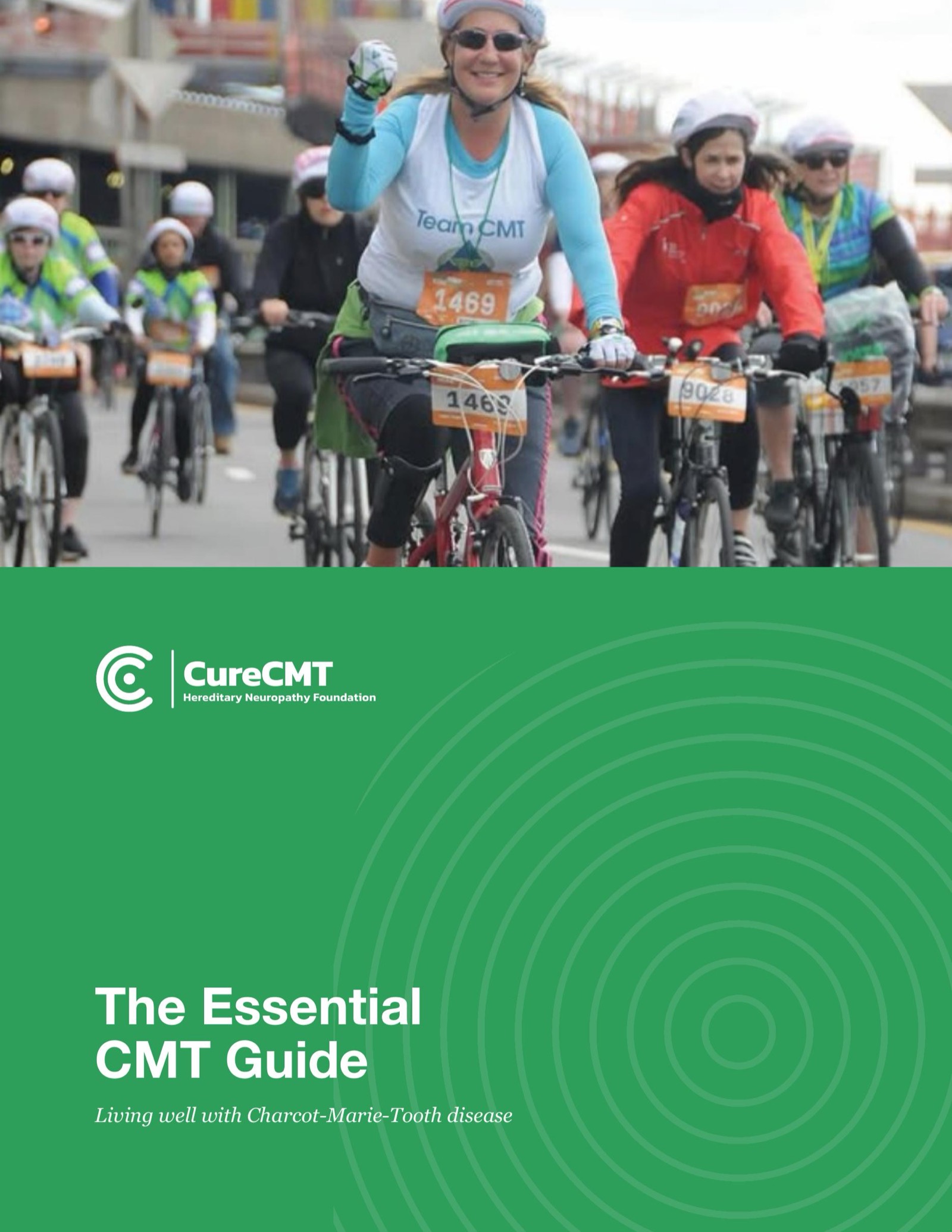
What patient-reported outcomes capture
A patient-reported outcome is information that comes straight from the patient, without interpretation by a clinician or anyone else. For CMT, that means recording the things only the person living with it can describe.
A digital channel for the patient voice
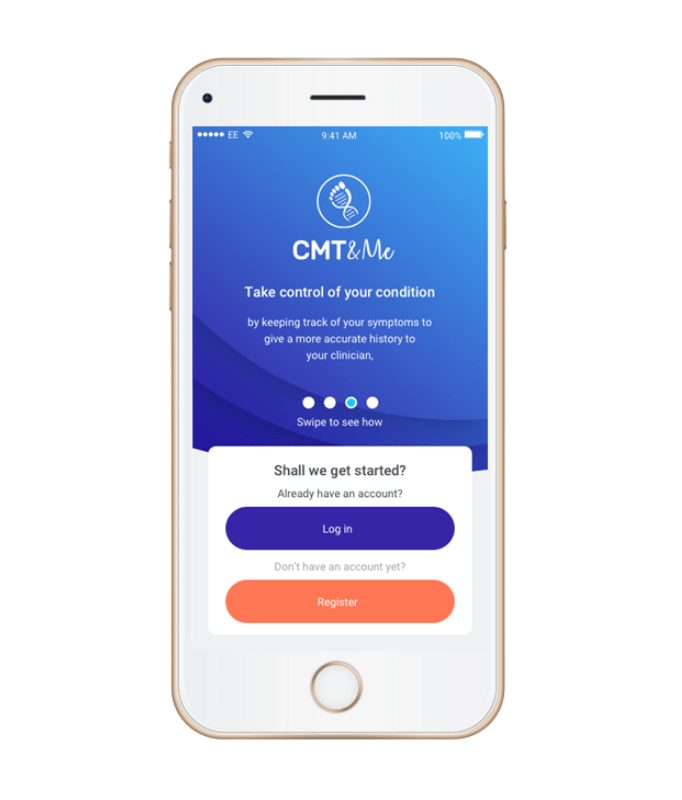
The CMT&Me app
CMT&Me was an international study, run on the Vitaccess platform, that collected real-time data directly from patients about how CMT affected their quality of life. It used a “bring your own device” approach: participants completed questionnaires on their own smartphones, at their convenience, and the app submitted the responses to a central database.
The study was sponsored by Pharnext, in collaboration with HNF and other CMT advocacy groups, and launched in October 2018 for a duration of five years, concluding in 2023. A scientific advisory board, including clinicians who cared for CMT patients, patient-advocacy representatives, and experts in patient-reported outcomes, oversaw the study. All patient data remained anonymous: researchers who accessed the database could not identify individual participants.
How patient-reported data shapes drug development
Patient-reported outcomes are not just collected, they are put to work. Here is the path from a patient’s answer to a better-designed trial.
- 1 Patients describe what matters Through surveys in GRIN and the CMT&Me app, people with CMT report symptoms, function, and the impacts that affect them most. The patient is the key stakeholder, not an afterthought.
- 2 HNF structures the evidence HNF organizes patient-reported outcomes into structured, de-identified data that can be analyzed, compared over time, and tied to genetic subtype.
- 3 Industry designs better trials Drug developers use that evidence to prioritize programs, choose meaningful endpoints, and design trials around what patients actually experience.
- 4 Regulators see the patient voice The FDA and other regulators receive patient-experience data that helps them weigh benefits, risks, and the outcomes that matter most to the CMT community.
Powered by the registry
PRO studies through GRIN
Much of HNF’s patient-reported-outcomes work runs through GRIN, the Global Registry for Inherited Neuropathies. Registrants complete patient-reported outcome studies that let researchers see why people experience different symptoms, how a particular mutation can lead to different effects, and what matters most to patients when they think about a treatment. Because the data is de-identified and tied to genetic subtype, it supports the kind of analysis that drug development and trial design depend on. Existing participants matter as much as new ones: keeping a profile current and completing new PRO studies is what keeps the evidence strong.

Frequently asked questions
What is a patient-reported outcome?
A patient-reported outcome (PRO) is information that comes straight from the patient, without interpretation by a clinician or anyone else. For CMT it captures things only the person living with it can describe, such as symptom burden, fatigue, quality of life, and the trade-offs they would accept from a treatment.
How does HNF collect patient-reported outcomes for CMT?
HNF collects patient-reported outcomes through two main channels: surveys in GRIN, the Global Registry for Inherited Neuropathies, and a smartphone-based study that lets participants complete questionnaires on their own devices. The data is de-identified and can be tied to genetic subtype.
Why do patient-reported outcomes matter for drug development?
They tell drug developers and regulators what patients actually experience, so trials can use endpoints that measure changes patients care about. The FDA and other regulators use patient-experience data to weigh the benefits, risks, and outcomes that matter most to the CMT community.
How can I contribute my own patient-reported data?
Joining GRIN and completing its patient-reported outcome studies is the most direct way to put your experience on the record. Keeping a profile current and completing new studies over time is what keeps the evidence strong.
Your story is the data
Without patient input, researchers do not have what they need to develop drugs, gene therapies, and trials for CMT. Joining GRIN and completing its patient-reported outcome studies is the most direct way to put your experience on the record.
Researchers and industry can request de-identified patient-reported data through GRIN data access, or read about emerging technologies →