Disease Models
No therapy goes straight from idea to patient. It has to prove, in the lab, that it can correct the biology of a CMT subtype and that it is safe to give. HNF develops and validates the disease models that make that proof possible, from patient-derived cells to zebrafish, mice, and rats, the third step on the road to a Charcot-Marie-Tooth clinical trial.
Why models come before trials
Testing a new drug or gene therapy directly in people would be neither safe nor informative. A preclinical model is how researchers learn, before any patient is involved, whether a candidate actually corrects the underlying problem and whether it can be given safely.
Because most CMT therapies target a specific subtype, the models have to be subtype-specific too. A model carrying the right genetic change is the only way to know whether a therapy aimed at that change does what it is meant to do. This is the work that earns a candidate the right to move toward a trial.
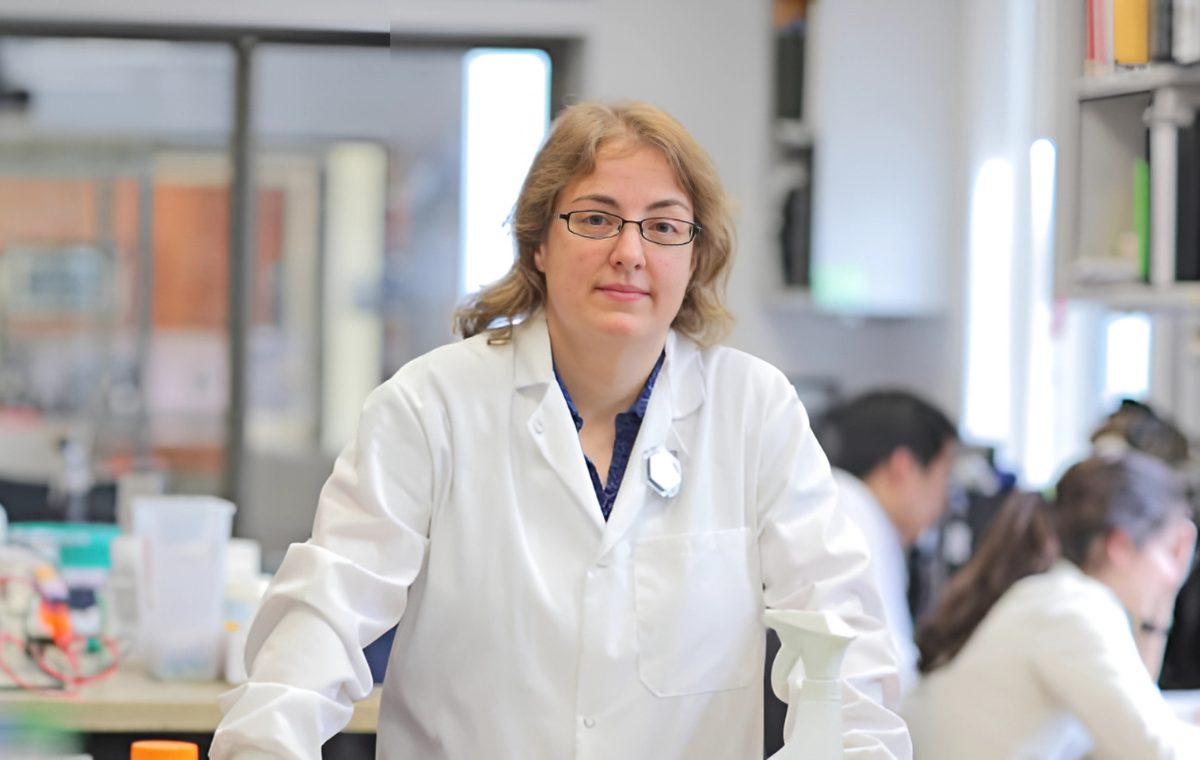
The models HNF develops
Preclinical research uses a toolkit, not a single model. Each type answers a different question, and HNF works with its research partners to build and validate them across CMT subtypes.
From zebrafish to rats
Animal models let researchers see how a CMT subtype behaves in a living nervous system. HNF's work has moved candidates through successive models, from zebrafish to mouse to rat, as each question demands more biological realism. Working with the model vendor Inotiv, HNF has supported the development of transgenic rat models for specific CMT subtypes, the kind of living-system models that cells in a dish cannot replace.
How preclinical testing works
- 1 Build the model HNF and its research partners create cell and animal models that carry the genetic change behind a specific CMT subtype.
- 2 Test efficacy Candidate drugs and gene therapies are screened in those models to see whether they actually correct the underlying problem.
- 3 Check safety Toxicology and dosing studies establish a safe, effective range before a therapy can be considered for patients.
- 4 Move toward trials Only candidates that clear the preclinical bar advance to the natural history and regulatory steps on the road to a trial.
The biobank connection
Models are only as good as the biology behind them. HNF's CMT Biobank supplies patient biospecimens, including cells used to build stem cell models, so that what happens in the lab stays anchored to real patient biology. That link is what turns a model result into a credible step toward a treatment.
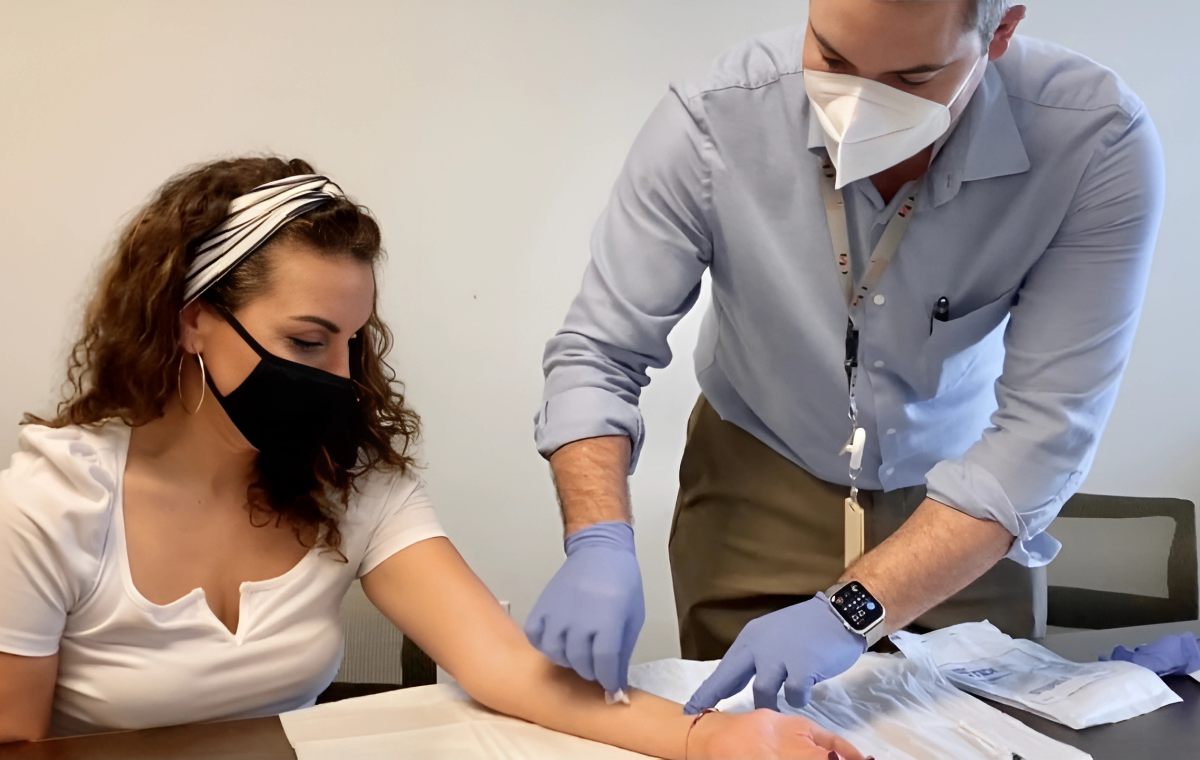
HNF's preclinical models
Frequently asked questions
Why does a CMT therapy have to be tested in models first?
Testing a new drug or gene therapy directly in people would be neither safe nor informative. A preclinical model is how researchers learn, before any patient is involved, whether a candidate corrects the underlying problem and whether it can be given safely.
What disease models has HNF developed?
HNF supports a range of CMT disease models, from patient-derived cells to zebrafish, mice, and rats. That includes transgenic rat models for CMT4A, SORD, and CMT2A, produced with the model vendor Inotiv. The CMT2A model is the first CMT2A rat model with optic atrophy, which lets researchers study that feature of the subtype.
Why are subtype-specific models so important?
Most CMT therapies target a specific subtype, so the models have to be subtype-specific too. A model carrying the right genetic change is the only way to know whether a therapy aimed at that change actually does what it is meant to do.
How does the CMT Biobank connect to this work?
Models are only as good as the biology behind them. The CMT Biobank supplies patient biospecimens, including cells used to build stem cell models, so that lab findings stay anchored to real patient biology.
Collaborate on CMT preclinical research
If you build models, develop candidate therapies, or need validated CMT preclinical tools, HNF can connect you to the models, biospecimens, and expertise that move a program forward.
Preclinical models depend on patient samples. Donate a biospecimen → and help build the next CMT model.