Home Accessibility
Living with CMT does not mean giving up your independence at home. Small, thoughtful changes to your space can make a real difference in your safety, comfort, and confidence every day.
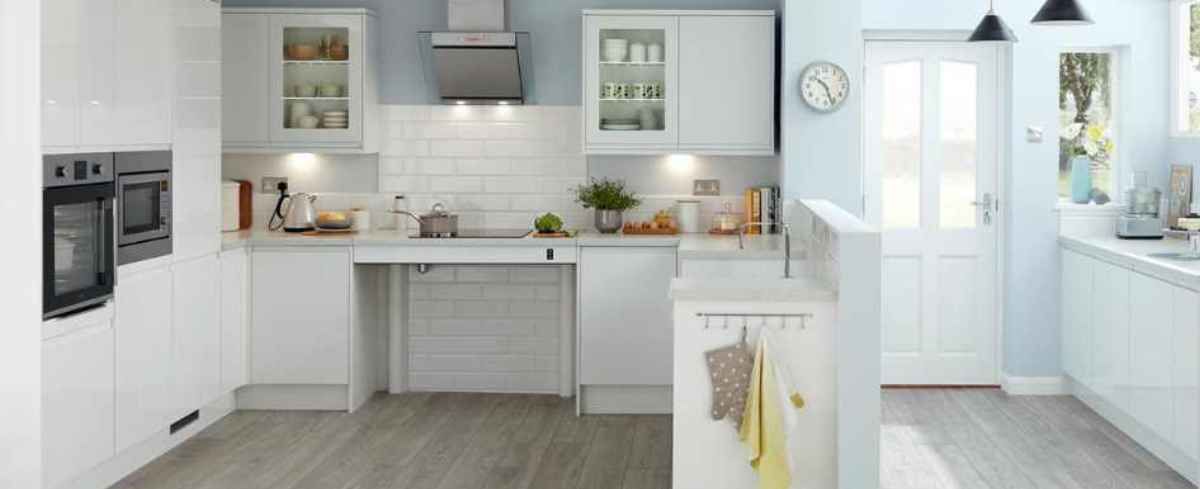
At a glance
- Most helpful changes are low-cost and do not require major renovation.
- Loose rugs are one of the most common trip hazards if you have foot drop, so remove or secure them.
- Grab bars are one of the highest-value safety investments, and not just in the bathroom.
- The bathroom is where falls happen most, so it deserves extra attention.
- Lever-style handles and large-grip tools are much easier if you have hand weakness or reduced grip.
- An occupational therapist can visit your home and recommend changes tailored to you.
- Plan for accessibility before a change feels urgent, especially if you are renovating or moving.
Why home accessibility matters with CMT
CMT affects the peripheral nerves that carry signals to your muscles and skin. For many people this brings weakness in the feet, ankles, and hands, along with reduced sensation that makes it harder to feel uneven surfaces or notice heat and cold.
Together, these changes raise the risk of trips, falls, and small injuries around the house. The good news is that most useful modifications are inexpensive and simple. Your priorities will depend on which symptoms affect you most and how they change over time.
If you are still learning how CMT affects daily life, it can help to know your subtype and talk through your symptoms with your care team as you plan.
Reducing trip and fall hazards
Remove or secure loose rugs and mats. Throw rugs are one of the most common trip hazards if you have foot drop, when weakness makes it hard to lift the front of your foot. Use non-slip tape, take them up entirely, or swap them for low-pile rugs that lie flat.
Improve lighting throughout, especially on stairs and in hallways at night. Motion-activated night lights are an easy, inexpensive way to help with balance in the dark.
Keep pathways clear of cords, bags, and clutter, particularly on the routes you travel most, like bedroom to bathroom, the kitchen, and your entryway.
Address thresholds and transitions. Small raised edges at doorways can catch a toe or an ankle-foot orthosis (AFO). Threshold ramps and beveled transition strips are cheap fixes.
Secure or replace risky flooring. Buckled carpet, uneven tile, or slippery hardwood all add fall risk. Non-slip finishes, or area rugs with non-slip backing over hard floors, can help.
Grab bars and handrails
Grab bars are one of the highest-value safety investments for a CMT-friendly home, and they are not just for bathrooms.
In the bathroom, install bars inside the tub or shower, next to the toilet, and anywhere you regularly brace yourself. Pressure-mounted bars need no drilling, though wall-anchored bars are stronger for everyday use.
On stairs, make sure handrails run the full length of each staircase and are easy to grip. A second rail on the opposite wall gives you support on both sides.
At entry and exit points, a grab bar by the front door or garage helps when you are putting on shoes and braces or stepping over a threshold.
Beside the bed, a bed rail or bedside grab bar makes it easier to shift position and stand, especially first thing in the morning when stiffness is common.
Bathroom adaptations
The bathroom is where falls are most common, so it is worth extra care.
A shower chair or bench lets you sit while you wash, which reduces fatigue and fall risk. Many people find this makes showering more relaxing as well as safer.
A handheld showerhead lets you direct the water while seated and cuts down on twisting and reaching.
Use a textured, suction-cup non-slip mat inside the tub or shower, and another non-slip mat on the floor just outside.
A raised toilet seat, or a toilet safety frame, reduces the effort of sitting and standing, which helps a lot if you have hip or leg weakness.
Lever-style faucet handles are far easier to work than knobs when hand weakness or reduced grip makes turning things difficult.
Kitchen adaptations
Hand and wrist weakness can make routine kitchen tasks harder, but a few simple changes go a long way.
Reorganize the things you use most. Store everyday dishes, glasses, and pots between counter height and shoulder height so you are not reaching overhead or crouching to a low cabinet.
Electric can openers and jar openers reduce the grip and twisting force needed to open containers.
Ergonomic, large-handled utensils with thick, cushioned grips are easier to hold securely with reduced hand strength.
Pull-out shelves and lazy Susans make deep cabinets reachable without stretching or bending. An anti-fatigue mat by the counter can ease discomfort if standing for a while tires you out.
Bedroom and dressing
Set your bed at a height that lets your feet rest flat on the floor when you sit on the edge, which makes standing up easier. Bed risers or a lower frame can adjust this.
Keep a sturdy chair or bench near your closet and entry so you can sit while putting on shoes, braces, or compression garments. It takes the strain off your balance.
Swap round door knobs for lever handles throughout the home. It is a quick hardware change that meaningfully reduces daily hand strain.
Add bright, focused task lighting in your dressing area to make buttons, laces, and brace fastenings easier to manage.
Technology and smart home tools
Voice-activated assistants, smart plugs, and remote-controlled lights can spare you from getting up to flip a switch, reach an outlet, or cross the house for a simple task.
These tools are especially welcome on high-fatigue days, or if hand weakness makes small controls hard to use.
Working with an occupational therapist
An occupational therapist (OT) is trained to help you live as independently as possible. An OT can visit your home, assess your specific needs, and recommend changes tailored to your symptoms and your space.
Many insurance plans cover an OT home assessment, though coverage varies by plan and country. Ask your neurologist or primary care provider for a referral.
Planning ahead
CMT symptoms often change gradually, so it is worth thinking about accessibility before any one change feels urgent.
If you are renovating or moving, building in wider doorways, a step-free entry, and a main-floor bathroom from the start is far less expensive than retrofitting later. Wider doorways also leave room for any future mobility devices.
If you are exploring how to stay mobile beyond the home, our guides to adaptive driving and your legal rights and accommodations can help you plan with confidence.
At the 2024 CMT THRIVE Summit, Stephanie and Dennis Carmody gave a real-world tour of their CMT-friendly home, walking through their favorite features room by room. Summit videos are available through HNF.
Everyone's experience with CMT is different. Talk with your care team, including your neurologist and any physical or occupational therapists you work with, before making changes that affect your medical care or rehabilitation plan. You can also connect with the research community by joining the GRIN Registry.
Frequently asked questions
What home modifications help people with CMT?
Most helpful changes are low-cost and do not require major renovation. High-value basics include removing or securing loose rugs, adding grab bars, improving lighting, and swapping round door knobs for lever handles. Your priorities will depend on which symptoms affect you most.
How can I reduce fall risk at home if I have foot drop?
Loose throw rugs are one of the most common trip hazards with foot drop, so take them up, use non-slip tape, or swap them for low-pile rugs that lie flat. Keep pathways clear of cords and clutter, improve lighting on stairs and in hallways, and smooth out raised thresholds that can catch a toe or an ankle-foot orthosis. Motion-activated night lights are an easy, inexpensive help in the dark.
Where should I install grab bars in a CMT-friendly home?
Grab bars are one of the highest-value safety investments, and not just in the bathroom. In the bathroom, place them inside the tub or shower and next to the toilet; on stairs, run handrails the full length of the staircase; and add a bar by the front door and beside the bed. Pressure-mounted bars need no drilling, though wall-anchored bars are stronger for everyday use.
What bathroom changes make it safer with CMT?
The bathroom is where falls happen most, so it deserves extra care. A shower chair or bench lets you sit while you wash, a handheld showerhead cuts down on twisting and reaching, and non-slip mats inside and outside the tub reduce slipping. A raised toilet seat and lever-style faucet handles also make a big difference if you have leg or hand weakness.
Can an occupational therapist help me set up my home?
Yes. An occupational therapist can visit your home, assess your specific needs, and recommend changes tailored to your symptoms and your space. Many insurance plans cover an OT home assessment, though coverage varies, so ask your neurologist or primary care provider for a referral.
Start with your subtype
The most useful first step in living well with CMT is confirming your subtype. From there, the right care and research opportunities fall into place.