Living with Charcot-Marie-Tooth disease (CMT, a hereditary nerve condition that affects muscle strength and sensation in the feet, legs, hands, and arms) means finding smarter ways to do everyday things. The tips here come from people who live with CMT and from occupational and physical therapists who work with them. Not every tip will suit every person, because CMT affects people differently. Take what works, leave what does not.
Getting Dressed
Reduced grip strength and limited foot dorsiflexion (the ability to lift the front of the foot) can make ordinary dressing routines slow or frustrating. Small changes make a real difference.
- Elastic laces or hook-and-loop closures remove the need to tie shoes. Look for shoes with a wide toe box and low heel to accommodate foot orthoses (custom inserts or braces) if you use them.
- A long-handled shoe horn lets you slip shoes on without bending far down or fighting weak hand grip.
- Sock aids (a flexible plastic frame with two long cords) let you put socks on without reaching your feet.
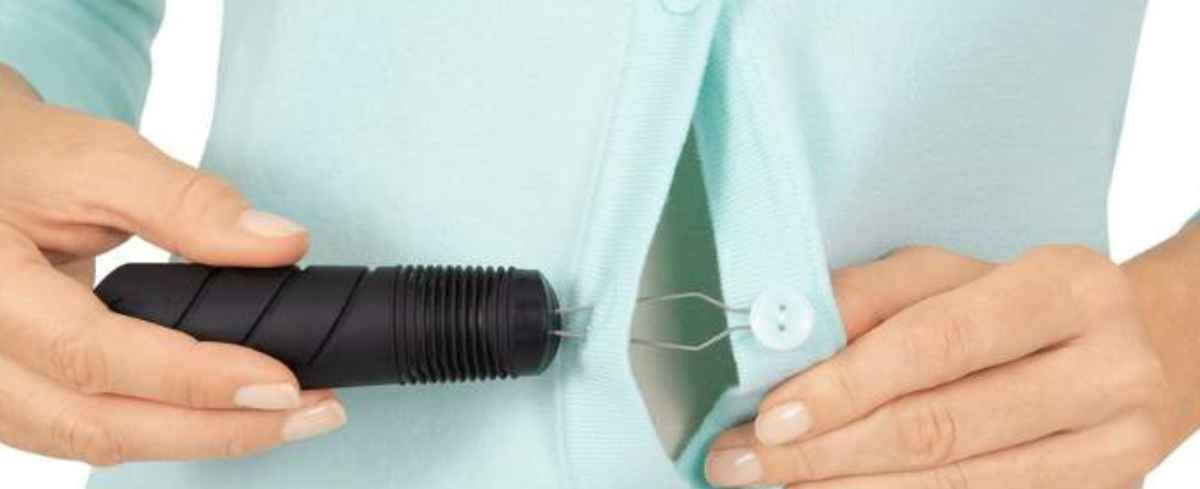
- Button hooks and zipper pulls are inexpensive tools that give hands with reduced dexterity better leverage on small fasteners.
- Pull-on waistbands and magnetic closures on shirts and jackets reduce fine-motor demand.
- Sit down to dress whenever possible. A sturdy bench or chair near the door keeps you stable while putting on shoes.
- If balance is a concern, dress seated or stand near a wall or grab bar for support.
Fashion Tips
CMT does not have to limit your style. Many people find ways to wear what they love while staying comfortable and safe.
- Wider-leg and straight-leg trousers fit easily over ankle-foot orthoses (AFOs, which are plastic or carbon-fiber braces worn inside the shoe to support foot drop).
- Boots can conceal AFOs and also provide ankle support of their own. Choose boots with a low, stable heel and a side zip or wide opening.
- Maxi skirts and longer hemlines are a comfortable, stylish way to wear an AFO without it being visible.
- Slip-on footwear with a back strap or supportive heel works for people who do not need an AFO but want ease of use.
- Avoid very thin soles, high heels, or narrow toe boxes. These increase trip risk and can worsen foot pain for many people with CMT.
- Ask your orthotist (the specialist who fits braces) about low-profile AFO options if bulk under clothing is a concern.
Kitchen and Cooking
Grip weakness and hand fatigue are common in CMT. These adaptations make cooking safer and less tiring.
- Lightweight cookware reduces the strain of lifting. Thin, non-stick pans and lightweight kettles are easier to manage than heavy cast iron.
- Electric can openers, jar openers, and electric tin openers remove one of the most grip-demanding tasks in the kitchen.
- Lever-style faucets and tap turners are much easier to operate than round knobs.
- Ergonomic knife handles with a thick, soft grip reduce hand fatigue during chopping.
- Pre-cut and pre-washed vegetables are a practical shortcut when hands are tired.
- Non-slip mats under cutting boards and bowls keep them steady without needing to hold them.
- Rocker knives and pizza-wheel cutters require a rocking push-down motion rather than sustained grip.
- Organize your kitchen so the items you use most are at counter height. Bending to low shelves or reaching to high ones increases fatigue and balance risk.
- Sit at a stool or high chair while doing prep work. Standing for long periods tires out the leg and foot muscles many people with CMT rely on heavily.
Hands, Grip, and Fine Motor Tasks
Hand weakness and reduced sensation (numbness or tingling in the fingers) affect many people with CMT, though the degree varies from person to person.
- Built-up pen grips (foam or rubber tubing slipped over a pen) make writing much less fatiguing.
- Stylus pens for touchscreens avoid the need to press hard with a fingertip.
- Voice-to-text on phones and computers reduces typing for those who find keyboards tiring.
- Key turners (levers that attach to a standard key) multiply turning force so you need less grip strength to open doors and locks.
- Pump dispensers for soap, lotion, and cleaning products replace lids and caps that require grip and twist.
- Spring-loaded scissors open automatically after each cut, so you only need to squeeze, not re-open.
- When carrying bags, distribute weight between both hands or use a backpack rather than a single shoulder bag. Uneven loads strain already-working muscles.
- Take breaks during repetitive hand tasks. Short rest intervals help manage fatigue.
Managing Fatigue
Fatigue is one of the most commonly reported challenges in CMT. It comes partly from the extra effort muscles must make to compensate for nerve damage, and partly from the concentration needed to move safely. Fatigue patterns vary from person to person.
- Pace yourself. Break tasks into smaller steps with rest in between rather than pushing through to the end of a big job.
- Plan demanding tasks for your best time of day. Many people find mornings easier; others find they warm up by mid-morning. Pay attention to your own pattern.
- Energy conservation is a formal occupational therapy (OT) technique. An OT can assess your daily routine and suggest changes that cut unnecessary effort. Ask your care team for a referral.
- Sit whenever you can during tasks that do not require standing. Seated cooking, grooming, and folding laundry all reduce overall load on legs and feet.
- Good sleep, consistent hydration, and balanced nutrition support energy, even though they do not change the underlying nerve condition.
- Mobility devices such as scooters, braces, or other supports reduce the muscular effort of getting around and can significantly lower daily fatigue for people who need them. Using a support is not giving in; it is working smarter.
- Discuss fatigue with your neurologist or physiatrist (a rehabilitation specialist) if it is significantly limiting your day. Some causes of worsening fatigue can be addressed.
Getting Around: Outdoors, Transport, and Travel
Uneven surfaces, stairs, and long distances are common challenges for people with CMT. Planning ahead takes most of the stress out of getting around.
- Scout your route before going somewhere new. Street-view mapping tools let you check kerbs, stairs, and surface types without leaving home.
- Request accessibility accommodations early when booking travel, events, or medical appointments. Most venues have them; they just need advance notice.
- Collapsible walking poles or a lightweight cane improve balance on uneven ground and reduce fall risk. Ask a physical therapist which type suits your gait pattern.
- At airports and large venues, request a wheelchair or mobility cart for long distances even if you walk at home. Conserving energy for the actual event matters.
- Pack light and use wheeled luggage to minimize carrying loads.
- Wear your most supportive footwear for travel days. Unfamiliar surfaces and long walks are exactly when foot support matters most.
- Book an aisle seat on planes and trains so you can stretch legs and stand without climbing over others.
- Carry a small card or note on your phone explaining your mobility needs, in case you need assistance quickly in an unfamiliar place.
Social Events and Everyday Life
CMT is an invisible condition for many people, which means friends and colleagues may not realize why certain settings or activities are difficult. A little self-advocacy and planning goes a long way.
- It is fine to let hosts know in advance that you need a seat, a ground-floor entry, or a quieter spot away from crowded standing areas.
- At busy social events, arrive a little early when the space is less crowded and easier to navigate.
- Identify somewhere to sit and rest at any venue before you need it. Standing in a loud, crowded room is doubly tiring when you are managing balance at the same time.
- Choose footwear for events based on the floor surface, not just the outfit. Slippery or polished floors are a fall hazard without proper grip.
- It is entirely your choice how much to share about your diagnosis. Many people find that a brief, matter-of-fact explanation removes awkwardness; others prefer privacy. Either is valid.
- Connect with others who share your experience. The HNF patient resource pages and the CMT community can help you find peer support groups where these tips get traded every day.
Beauty and Personal Care
Fine motor challenges, reduced grip, and fatigue can make personal care routines longer than they need to be. These adjustments help.
- Electric toothbrushes require far less hand movement and grip than manual brushing.
- Pump bottles for shampoo, conditioner, and body wash avoid wrestling with caps and bottles in the shower.
- A shower seat or bath bench allows you to sit while showering, reducing balance demands and fatigue.
- Grab bars in the shower or bath are one of the most effective fall-prevention tools for people with CMT. Installation is straightforward and inexpensive.
- Long-handled brushes and sponges reduce the need to bend or twist.
- For nail care, an electric nail file is easier to control than clippers for hands with reduced grip. Ask a podiatrist (foot specialist) to manage toenails if reaching and cutting is unsafe.
- Rollerball and twist-up lip and eye products are easier to apply than small pencils or items requiring fine tip control.
These strategies can make a meaningful difference in daily life. For personalized recommendations, ask your care team for a referral to an occupational therapist who has experience with neuromuscular conditions (conditions affecting nerve and muscle function). They can assess your specific situation and suggest tools tailored to you.
For more about life with CMT, visit our full patient resource library or read more about what CMT is and how it is diagnosed.
What is the single most helpful thing I can do to make daily life easier with CMT?
Most people who live well with CMT point to the same answer: work with an occupational therapist (OT). An OT can assess your home, your routine, and your specific pattern of weakness or sensation loss and suggest targeted tools and strategies. A one-hour OT session can identify changes that save hours of daily effort. Ask your neurologist or primary care provider for a referral.
Are there specific shoes that work well for CMT?
There is no single best shoe for everyone with CMT, because foot shape, brace use, and the degree of foot drop (difficulty lifting the front of the foot) vary from person to person. In general, look for a wide toe box, a low and stable heel, a firm sole with good grip, and enough interior depth to fit an orthosis (insert or brace) if you use one. Avoid thin soles, high heels, and very flexible ballet flats. A podiatrist or orthotist can advise you based on your specific foot and gait.
I am embarrassed to use a cane or other support in public. What should I know?
This is a very common feeling, especially for younger people with CMT or those newly diagnosed. It helps to know that using a cane, trekking poles, or braces actively reduces your fall risk and your fatigue, which means you can do more, not less. Many people with CMT describe the shift from resisting supports to using them as a turning point that gave them back activities they had been avoiding. The choice is always yours, and a physical therapist can help you trial different options so you find something that works for your lifestyle.
How do I manage hand weakness at work?
Depending on your job, options may include ergonomic keyboards and mice, voice-to-text software, built-up pen grips, or task restructuring with the support of an occupational therapist. In many countries, employers are required to make reasonable adjustments for employees with disabilities. Documenting your functional limitations with help from your neurologist or OT can support a workplace accommodation request.
Can physical therapy help with CMT-related fatigue?
Yes, for many people. A physical therapist experienced with neuromuscular conditions can design a low-fatigue exercise program that builds endurance without overworking already-stressed muscles. Research in CMT consistently supports moderate aerobic exercise and targeted strengthening as beneficial for functional capacity and quality of life, though the best program varies by subtype and individual. Always discuss any new exercise plan with your neurologist first. Rates vary by subtype and individual, so what works well for one person may need adjustment for another.