Cannabis and CMT
Many people living with CMT are curious about cannabis and CBD for symptoms like pain, cramps, and poor sleep. This page shares what is currently known, where the evidence is still thin, and why talking with your own clinician comes first.

At a glance
- This page is patient education, not medical advice, and it is not a recommendation to use any cannabis product.
- Cannabis and CBD are regulated differently depending on where you live, so what is legal and available depends on your location.
- Talk with your neurologist or primary care clinician before trying any cannabis-based product.
- Formal research on cannabis specifically in CMT is very limited right now.
- Some people with nerve pain report help with pain, cramps, sleep, and anxiety, but responses vary widely.
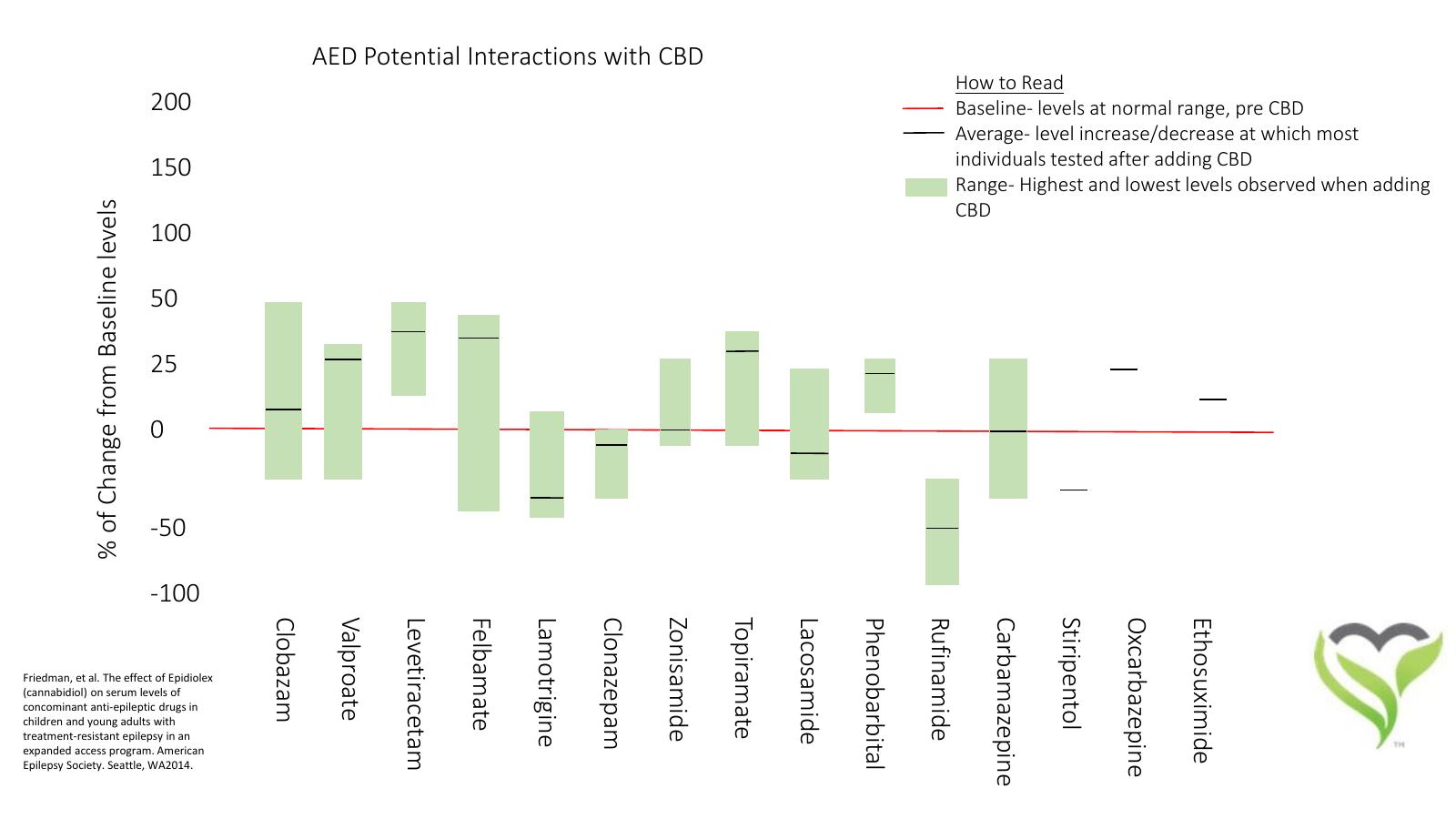
- Cannabinoids can interact with medications you already take, which is one reason to check with your doctor first.
- HNF is gathering patient-reported data so that future guidance can rest on real community experience.
- There is no cure for CMT yet, and managing your symptoms well today still matters.
What patients are asking
As cannabis has become legal for medical or recreational use in more places, more people with Charcot-Marie-Tooth disease are asking whether it might help with symptoms such as pain, muscle cramps, sleep problems, and anxiety. It is a fair question, and it deserves a clear, honest answer rather than hype.
Here is the honest part: the science is still early, and no one can tell you a dose or a product that is right for you. What we can do is explain the basics, share what people are reporting, and point you toward the conversation that matters most, the one with your own care team.
Before trying any cannabis or CBD product, talk with your neurologist (a nerve specialist) or primary care clinician. What is legal and available to you depends on where you live.
What are cannabinoids?
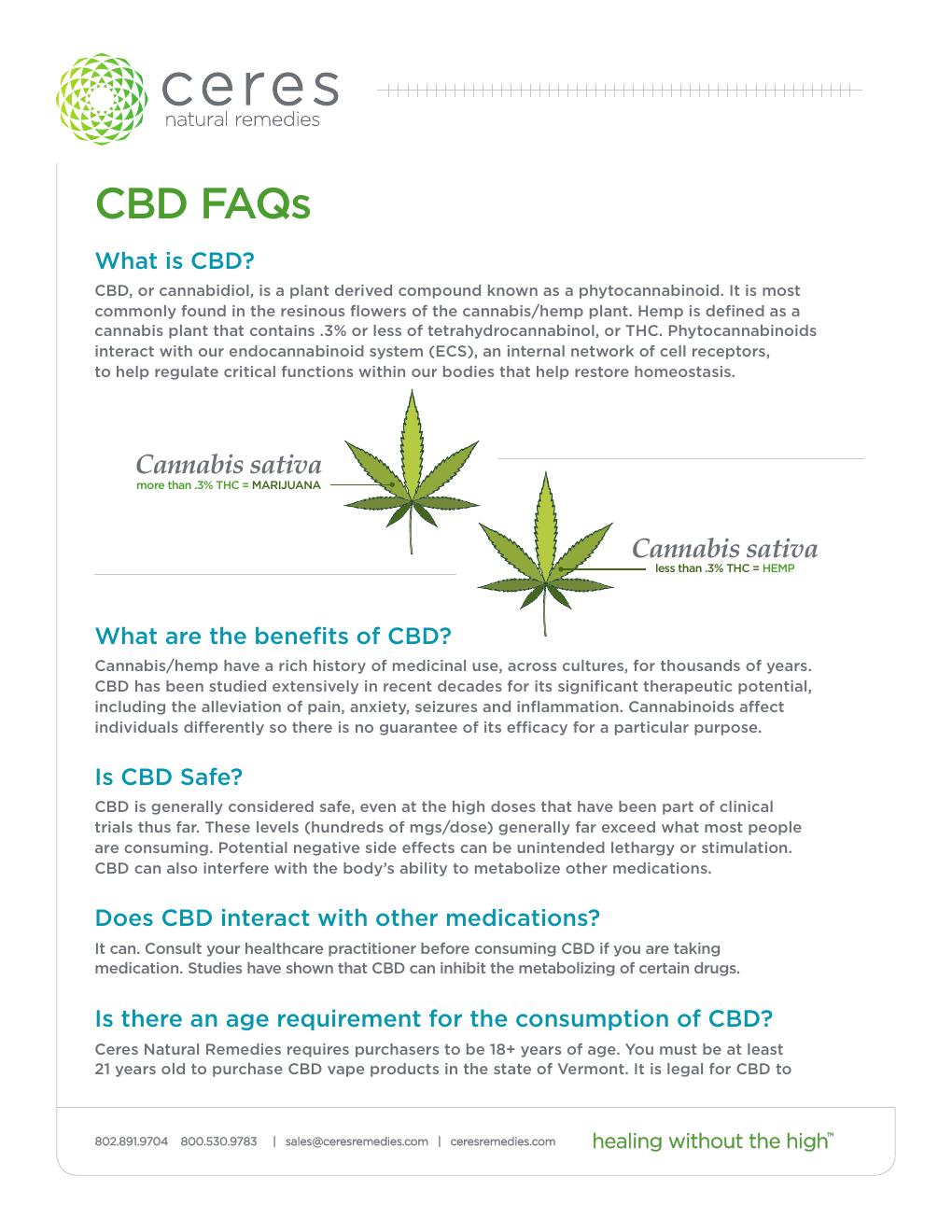
Cannabinoids are naturally occurring chemical compounds found in the cannabis plant. The two most studied are THC and CBD.
THC (tetrahydrocannabinol) is the compound responsible for the "high" associated with cannabis. CBD (cannabidiol) is a non-intoxicating compound that has drawn interest for pain and inflammation.
Cannabis plants also contain terpenes, aromatic compounds that may influence how cannabinoids behave in the body, along with a wide range of less-studied cannabinoids sometimes called rare cannabinoids. Researchers are still exploring whether combinations of these compounds work differently than isolated ones.
How cannabis products are delivered
The way a product is taken affects how quickly and how strongly it works, so the delivery method is worth understanding.
Oral forms (capsules, oils, edibles, tinctures) tend to have a slower onset and a longer-lasting effect. Topical forms (creams and patches applied to the skin) may act locally on an area of discomfort without significant full-body effects.
Inhaled forms (vaporized or smoked) act faster but do not last as long. Smoking also carries respiratory risks that are worth discussing with your clinician, especially if breathing is already a concern for you.
What patients are reporting
Formal clinical research on cannabis specifically in CMT is very limited at this time. What the broader pain and neurology literature suggests, and what many people with chronic nerve pain (neuropathic pain) report, includes possible help in a few areas.
People describe possible relief with neuropathic pain (pain caused by nerve damage or dysfunction), muscle cramps and spasms, sleep disruption related to pain, and anxiety.
These reports vary widely from person to person, and no dosing or product recommendation can be made here. Responses to cannabinoids differ based on genetics, the specific product, the delivery method, and many other factors. If you have not yet confirmed your CMT subtype, CMT Genie can help you understand your genetic testing options.
HNF's patient data initiative
HNF is actively collecting patient-reported data on cannabis use in the CMT community, with the goal of developing safer guidelines, better access pathways, and informed policy recommendations. This work is ongoing, and what patients share directly shapes what future guidance will look like.
Part of the broader research picture involves novel methods to isolate and concentrate cannabinoids and terpenes into formulations for oral, topical, and inhaled use. These approaches are still under development and not yet widely available.
If you would like your experiences with cannabis to contribute to CMT research, consider joining the GRIN Registry (Global Registry and Integrated Network), where patient-reported data helps inform HNF's research priorities.
Things to discuss with your clinician
Before trying a cannabis or CBD product, it helps to cover a few points with your health care team so you can make a safe, informed choice.
Ask about the legal status where you live. Ask about possible interactions with any medications you already take, including those for pain, anxiety, or heart conditions, since this is one place where cannabinoids can cause problems. Our page on drugs to use with caution explains why any new substance is worth running past your doctor first.
Ask whether inhaled forms are appropriate given any respiratory considerations. If you do decide to try a product, ask how to start at a low dose and adjust slowly, and how to recognize and report any side effects.
Staying informed
The science around cannabis and chronic neurological conditions is moving quickly. HNF monitors this research and will update these resources as stronger evidence becomes available.
In the meantime, if pain is part of your daily picture, our pain management page covers a range of approaches you can explore with your care team.
Guides
Frequently asked questions
Can cannabis or CBD help with CMT symptoms?
Some people with chronic nerve pain report possible relief with neuropathic pain, muscle cramps and spasms, sleep problems, and anxiety, but responses vary widely from person to person. No dose or product can be recommended here, and formal research on cannabis specifically in CMT is very limited right now. Talk with your neurologist or primary care clinician before trying any cannabis-based product.
Is it safe to use cannabis with my other medications?
Cannabinoids can interact with medications you already take, including those for pain, anxiety, or heart conditions, which is one reason to check with your doctor first. Before trying a product, ask your care team about possible interactions and about the legal status where you live. Our page on drugs to use with caution explains why any new substance is worth running past your doctor.
What is the difference between THC and CBD?
THC (tetrahydrocannabinol) is the compound responsible for the "high" associated with cannabis. CBD (cannabidiol) is a non-intoxicating compound that has drawn interest for pain and inflammation. Both are cannabinoids, the naturally occurring chemical compounds found in the cannabis plant.
What is the best way to take cannabis for nerve pain?
The delivery method affects how quickly and how strongly a product works. Oral forms like capsules, oils, and tinctures tend to have a slower onset and longer-lasting effect, while topical creams and patches may act locally on an area of discomfort. Inhaled forms act faster but do not last as long, and smoking carries respiratory risks worth discussing with your clinician, especially if breathing is already a concern.
Is there research on cannabis specifically for CMT?
Formal clinical research on cannabis in CMT is very limited at this time. HNF is actively collecting patient-reported data on cannabis use in the community, with the goal of developing safer guidelines and informed policy. If you would like your experiences to contribute, consider joining the GRIN Registry, where patient-reported data helps inform HNF's research priorities.
Start with your subtype
The most useful first step in living well with CMT is confirming your subtype. From there, the right care and research opportunities fall into place.