CMT Biobank
The CMT Biobank is the first biorepository dedicated to Charcot-Marie-Tooth disease, and it runs on the generosity of donors. When you give a small biospecimen, HNF turns it into research-ready material that scientists use to model CMT, find biomarkers, and test candidate therapies. Every sample is paired with a de-identified GRIN registry record, so researchers see the biology alongside the lived experience of the person it came from, never a name. Donating is free, takes a few minutes at a collection event, and is one of the most direct ways to move the science forward.
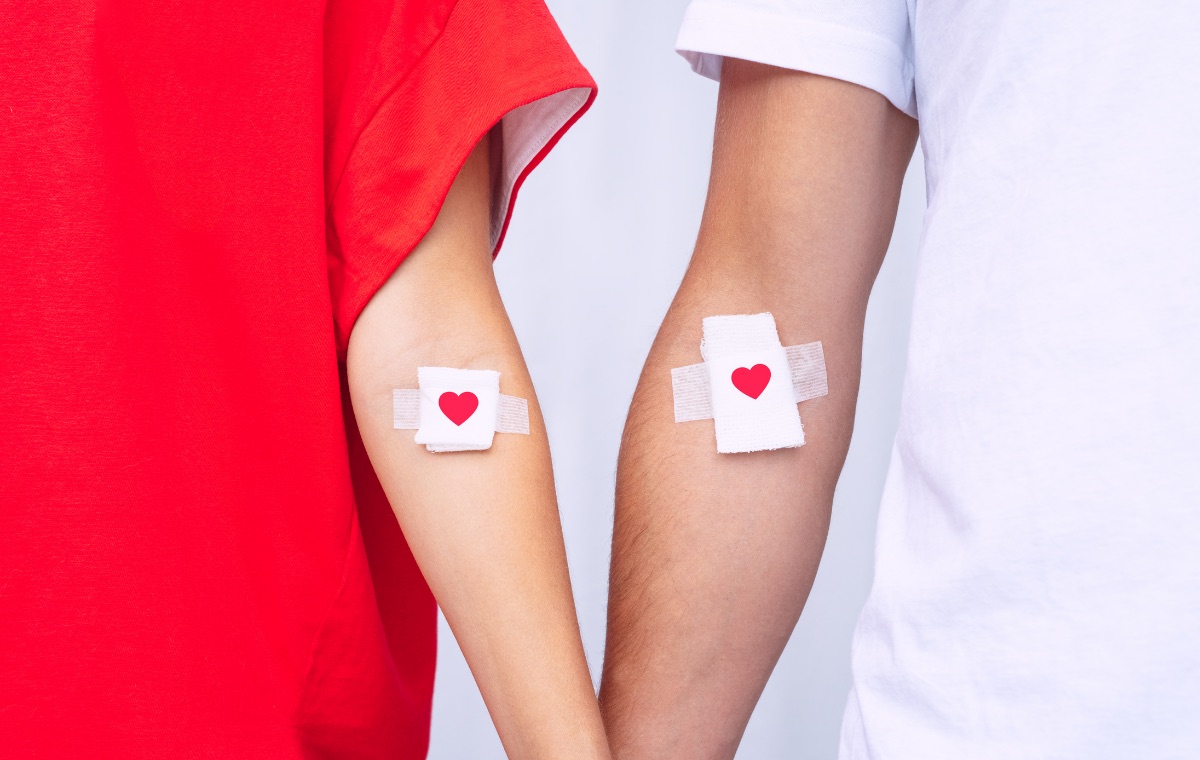
Donate a Biospecimen
Living with CMT and want to donate? Add your details below. When a CMT Biobank collection event comes to your area, HNF will reach out so you can take part. Participation is free, and it is what powers every study that depends on patient samples.
There is no cost to participate.
What happens to your sample
Your donation does not sit on a shelf. It is processed into research-ready material and paired with your consented, de-identified registry record, so it arrives in a lab with the genetic and clinical context that makes it genuinely useful. Here is where it goes.
From your arm to the lab
- 1 Find an event A collection event comes to your area, or you let us know you would like to take part when one does. Donating is free.
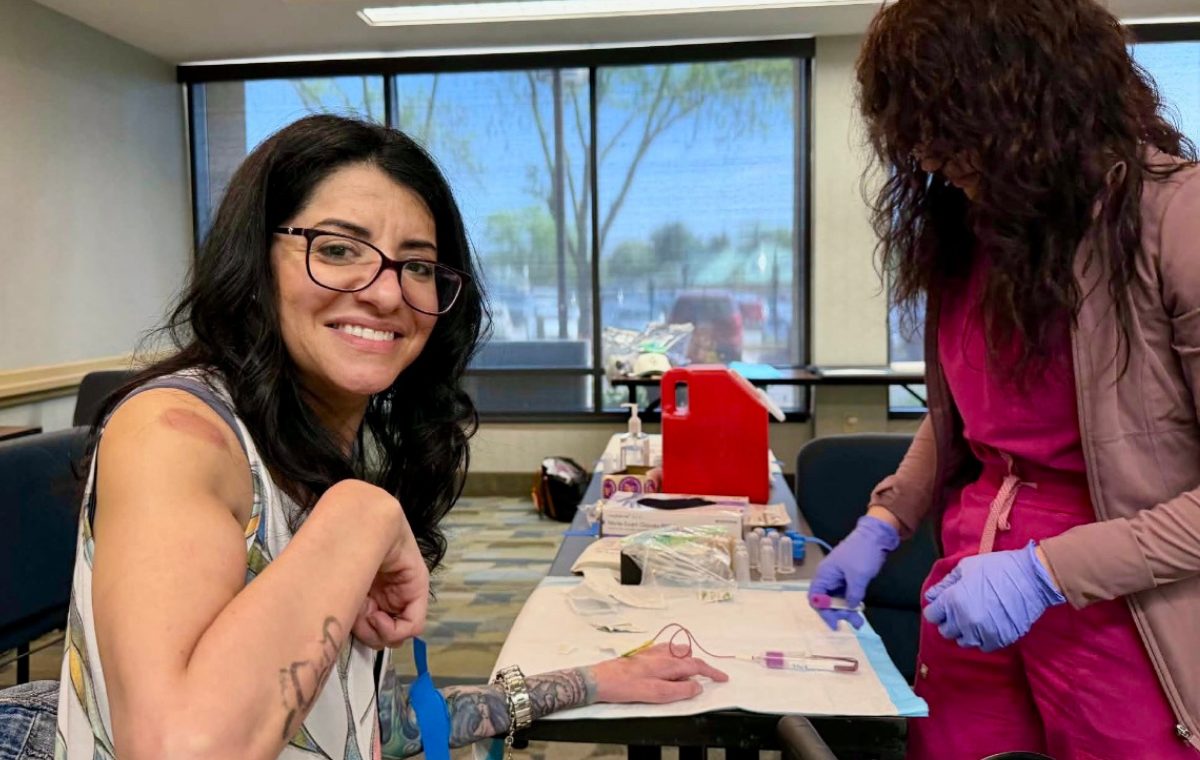
- 2 Give a sample You provide a small blood sample, and sometimes a skin or urine sample. People with a confirmed CMT diagnosis and unaffected sibling and parent controls can all donate.
- 3 We bank it Our partner COMBINEDBrain processes and stores your sample in a managed biorepository, linked to your de-identified GRIN registry record.
- 4 Researchers use it Qualified academic and industry teams draw on banked material to build disease models, find biomarkers, and validate candidate therapies.
Why your donation matters
For a long time, CMT research was held back by a simple shortage: there was no biorepository of CMT samples for researchers to draw from. Targets and biomarkers cannot be validated without patient material, and disease models cannot be built without cells.
Every sample you give helps close that gap. The CMT Biobank already holds a growing collection of biospecimens ready for research, and each new donation widens the range of subtypes scientists can study and the speed at which treatments can be tested.
What the biobank holds
The collection spans blood, plasma, urine, and PBMCs, from donors across the CMT spectrum, plus matched control samples from unaffected relatives that researchers need for comparison. Here is the catalogued collection by gene, with the specimens still being genotyped shown separately:
Aggregate figures from the current biobank catalog, as of July 2026: 4,282 specimens from 272 donors, spanning 31 identified CMT genes and 90 variants, plus samples still awaiting genotyping. The collection continues to grow as collection events add specimens.
Are you a researcher or industry partner?
The CMT Biobank is open to qualified academic and industry teams. Request de-identified samples linked to consented GRIN data to build disease models, discover biomarkers, and validate candidate therapies before they reach a trial.
Built with COMBINEDBrain
HNF operates the CMT Biobank with COMBINEDBrain, a nonprofit biorepository consortium that supports more than 140 rare-disease communities. COMBINEDBrain provides the established infrastructure to process and store samples securely, so your donation reaches researchers without delay.
Frequently asked questions
What is the CMT Biobank?
The CMT Biobank is a biorepository dedicated to Charcot-Marie-Tooth disease. It stores donated blood, skin, and urine samples, linked to de-identified registry data, so researchers can build disease models, find biomarkers, and validate candidate therapies. HNF launched it in August 2023 with COMBINEDBrain.
Who can donate a sample?
People with a confirmed CMT diagnosis (by EMG or genetic test) can donate, and unaffected siblings and parents can donate control samples. Donating is free and happens at a collection event.
What does donating involve?
At a collection event you give a small blood sample, and sometimes a skin or urine sample. The sample is processed and stored by COMBINEDBrain and paired with your consented, de-identified GRIN registry record.
How is my sample used and kept private?
Your sample is paired with a de-identified record, never your name. Qualified academic and industry researchers draw on banked material to build cell models, discover biomarkers, and test whether candidate therapies work before they reach a trial.
Ready to donate?
The fastest way to help is to give a sample. Tell us where you are and HNF will let you know when a collection event comes to your area. If you cannot attend an event, our registry team can help you explore other ways to contribute.