GRIN Patient Registry
GRIN, the Global Registry for Inherited Neuropathies, is how HNF turns your experience of CMT into research that moves toward treatments and cures. It is the only IRB-approved, patient-led global registry for Charcot-Marie-Tooth disease, and it starts with one thing: your story. Researchers cannot design drugs, gene therapies, or clinical trials without real patient data, and GRIN is where that data comes from. Your de-identified profile and survey answers help define how each subtype progresses and match the right people to the right trials when they open. Joining is free, your identity is protected, and empowering CMT research begins with you.
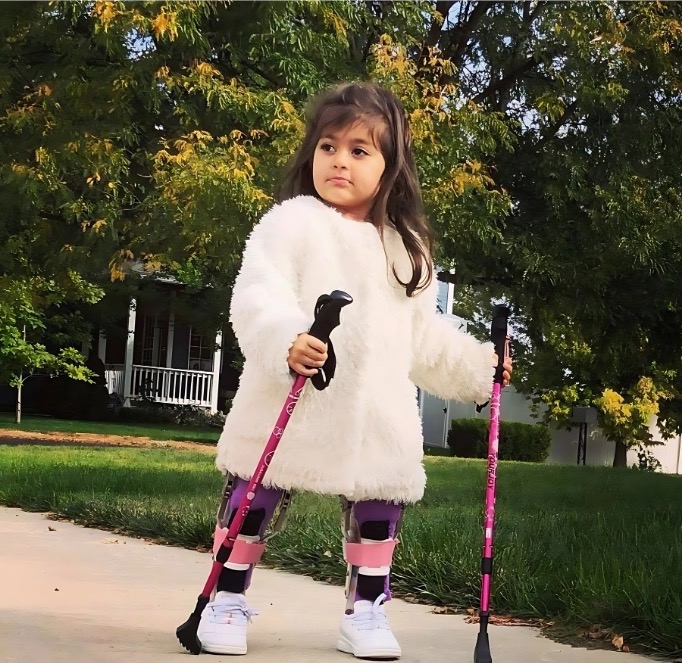
Why join GRIN?
The answer is simple: HNF needs you. As GRIN grows, the insight it produces grows with it. The more the community shares, the faster research can accelerate. Here is what your participation makes possible.
Your story powers the research
CMT looks different in every person, even within the same subtype. GRIN exists to find out why, but only if enough people show up with their piece of the picture. Right now, researchers are missing data they need, across every subtype, common and rare alike. Every completed profile fills in part of that gap.
Your de-identified answers help explain why symptoms vary and what matters most to patients as new treatments are designed. They can also reveal how a single mutation leads to different outcomes in different people, the exact insight needed to move treatments forward for all types of CMT and inherited neuropathy.
Common subtypes need volume, enough profiles to see patterns clearly across large groups. Rare subtypes need presence, because with so few people affected, one family's data can be the difference between a pattern that stays hidden and one researchers can finally act on. Both are urgent. Both depend entirely on people showing up.
This work moves at the pace people show up. Complete your profile, and come back for the next survey. No company or clinic can build this record without you.
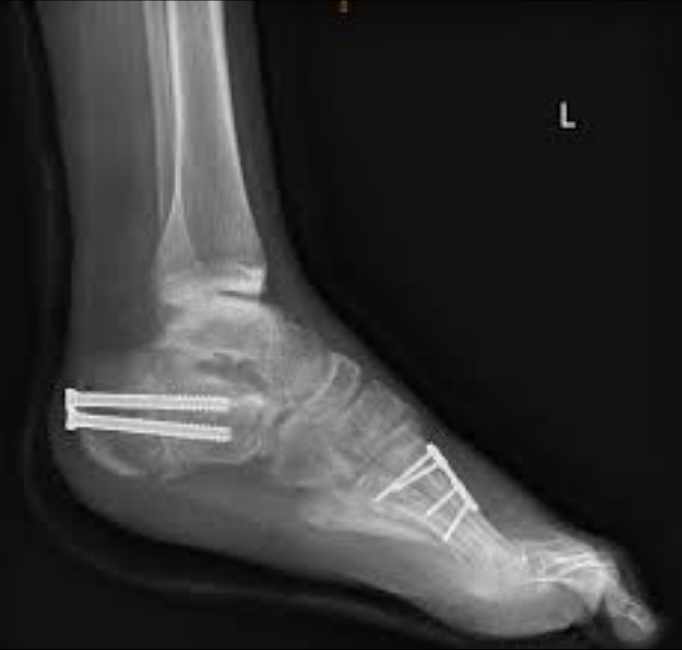
Without your participation, researchers will not have the essential patient information to develop drugs, gene therapies, and clinical trials for CMT and other inherited neuropathies. We need YOU.
How to join GRIN
- 1 Request an account Create your secure GRIN account. Anyone diagnosed with CMT or another inherited neuropathy can join.
- 2 Build your profile Complete your profile and the Natural History Study survey so your genetic and lived experience can be correlated to your subtype.
- 3 Take surveys Completing the surveys helps researchers spot patterns across the CMT community.
- 4 Stay engaged You will be notified by email of new surveys and updates. Returning participants matter just as much as new ones.
The GRIN community
As of July 2026.
Frequently asked questions
What is GRIN?
GRIN, the Global Registry for Inherited Neuropathies, is HNF’s patient registry for Charcot-Marie-Tooth disease and other inherited neuropathies. It is the only IRB-approved, patient-led global CMT registry. It launched in 2013 and relaunched in April 2023.
Who can join GRIN?
Anyone diagnosed with CMT or another inherited neuropathy can join, anywhere in the world. Unaffected family members can also take part in some studies. Participation is free.
Is my data private?
Yes. GRIN is GDPR- and HIPAA-compliant and uses a de-identified record (a CRID) so your identity is protected. Only approved researchers see de-identified data, never your name or contact details.
How does joining GRIN help find treatments?
Researchers cannot design drugs, gene therapies, or clinical trials without real patient data. Your de-identified profile and survey responses help define how each subtype progresses and help match the right participants to the right trials.
Join GRIN today
With all of the current research momentum, there is no better time to join. Become part of the effort to find treatments and cures for all inherited neuropathies. If you are already a participant, we still need you: update your profile and take part in our current studies.
There is no cost to participate. The next step opens the GRIN registry, and we will walk you through it.
Already have a GRIN account?
Log in to the registryAnother way to help: the CMT Biobank
The CMT Biobank is the first biorepository dedicated to Charcot-Marie-Tooth disease, and it runs on the generosity of donors. When you give a small biospecimen, HNF turns it into research-ready material that scientists use to model CMT, find biomarkers, and test candidate therapies. It is one of the most direct ways to move the science forward.
Donate a biospecimenAre you a researcher or industry partner? Learn how to request de-identified GRIN data on our GRIN data access page →