GDAP1 (CMT4A / 2K)
GDAP1-related CMT (also called CMT4A or CMT2K) is caused by changes in the GDAP1 gene, which supports the mitochondria that power nerve cells. It is often a more severe, early-onset form, and it can involve the voice and, less often, the breathing muscles.
What GDAP1 (CMT4A / 2K) is
GDAP1-related CMT is caused by changes in the GDAP1 gene, which helps keep mitochondria, the energy factories of the cell, healthy and properly distributed inside nerve cells. When it fails, the long nerves of the arms and legs lose function.
GDAP1 can cause CMT in more than one way. Depending on the exact change and whether one or both copies are affected, it can look demyelinating (affecting the insulation), axonal (affecting the fiber), or a mix, which is why it carries several names, including CMT4A and CMT2K.
The recessive forms, usually called CMT4A, tend to begin in infancy or early childhood and can be more severe, sometimes involving the muscles of the voice box (causing a hoarse or weak voice) and, less often, the breathing muscles. Dominant forms tend to be milder and start later.
How common it is. GDAP1 changes are a recognized cause of early-onset, often recessive CMT, though the condition is much rarer than CMT1A.
Common signs and symptoms
Reported symptoms and their severity vary from person to person, even within the same family. This is a general picture, not a prediction for any one person.
- Weakness and wasting of the feet and lower legs, often beginning in infancy or early childhood in the recessive form
- Foot drop, high arches, and difficulty walking, sometimes progressing to the hands
- Hoarseness or a weak voice from vocal cord involvement in some people
- Less commonly, weakness of the breathing muscles, which needs monitoring
- Reduced or absent reflexes and reduced sensation
Onset and how it changes over time
The recessive (CMT4A) form of GDAP1-related CMT often begins in the first few years of life and can progress to more significant weakness during childhood and adolescence, with some people using mobility aids. The dominant (CMT2K) form usually begins later and is milder.
Because some people develop vocal cord or breathing-muscle involvement, GDAP1-related CMT is one of the subtypes where regular check-ins with an experienced team, including attention to voice and breathing, are especially important. Severity varies widely.
How it is inherited
Most GDAP1-related CMT is inherited in an autosomal recessive pattern: it takes two changed copies, one from each parent, and the parents are usually unaffected carriers. When both parents carry a change, each child has about a 1 in 4 (25 percent) chance of being affected. Some GDAP1 changes act in a dominant pattern instead, needing only one copy. A genetic counselor can determine which applies in your family.
Autosomal recessive inheritance
It takes two changed copies, one from each parent, to cause CMT. When both parents are unaffected carriers, each child has about a 1 in 4 chance of being affected and a 1 in 2 chance of being a carrier.
- Affected
- Carrier
- Unaffected
- Male
- Female
This diagram shows a typical family. Real families vary, and it does not predict any specific outcome. A genetic counselor can walk through what it means for yours.
Faces of CMT
Real families living with GDAP1 (CMT4A / 2K), in their own words.

Alana Kohler
Alana's parents both carry the same rare GDAP1 gene. Four surgeries in, they are hopeful for gene therapy.
Read their story ›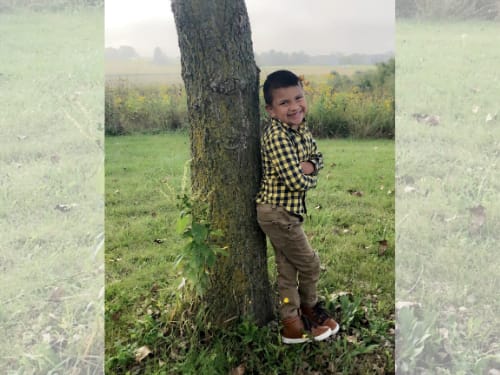
Owen
Diagnosed with aggressive GDAP1 CMT4A at age 6, Owen and his mom are holding out for a cure.
Read their story ›
Estela Lugo
HNF's Program Development Manager, a designer turned adaptive-fitness activist living with CMT4A since age four.
Read their story ›Frequently asked questions
What is GDAP1-related CMT (CMT4A / CMT2K)?
GDAP1-related CMT is caused by changes in the GDAP1 gene, which helps keep mitochondria, the energy factories of the cell, healthy and properly distributed inside nerve cells. When it fails, the long nerves of the arms and legs lose function. Because it can affect the nerve fiber, its insulation, or a mix, it carries several names, including CMT4A and CMT2K. If you want to confirm which subtype you have, genetic testing is the way to know for certain.
How is GDAP1-related CMT inherited?
Most GDAP1-related CMT is inherited in an autosomal recessive pattern, meaning it takes two changed copies of the gene, one from each parent, who are usually unaffected carriers. When both parents carry a change, each child has about a 1 in 4 (25 percent) chance of being affected. Some GDAP1 changes act in a dominant pattern instead, needing only one copy. A genetic counselor can determine which applies in your family.
What are the symptoms of GDAP1-related CMT?
Common features include weakness and wasting of the feet and lower legs, foot drop, high arches, and difficulty walking, sometimes progressing to the hands. Reflexes are often reduced or absent and sensation may be reduced. In some people it also affects the muscles of the voice box, causing a hoarse or weak voice, and, less often, the breathing muscles, which needs monitoring.
Is GDAP1-related CMT progressive or severe?
Severity varies widely. The recessive form (CMT4A) often begins in the first few years of life and can progress to more significant weakness during childhood and adolescence, with some people using mobility aids, while the dominant form (CMT2K) usually begins later and is milder. Because some people develop vocal cord or breathing-muscle involvement, this is one of the subtypes where regular check-ins with an experienced team, including attention to voice and breathing, are especially important. A specialist team can help monitor these.
What gene causes GDAP1-related CMT?
It is caused by changes in the GDAP1 gene, which stands for ganglioside-induced differentiation-associated protein 1. This gene supports the mitochondria that power nerve cells. GDAP1 can cause CMT in more than one way, appearing demyelinating (affecting the insulation), axonal (affecting the fiber), or a mix, depending on the exact change and whether one or both copies are affected.
Confirm your subtype
If you have a clinical CMT diagnosis but no confirmed gene, genetic testing is how you learn your subtype. CMT Genie helps you and your provider get tested and connects you with telehealth genetic counseling.
Clinical information on this page is based on GeneReviews and OMIM (CMT4A 214400, CMT2K 607831). Verified 2026-07-08.