Emerging Technologies
HNF brings new technology to Charcot-Marie-Tooth disease for one reason: to generate cleaner, faster, more honest evidence about how CMT affects people and how treatments change it. From wearable sensors to a CMT data warehouse to tech-enabled drug screening, HNF puts emerging tools to work where they move the science forward.
The technology HNF is bringing to CMT
Each of these tools addresses a real bottleneck on the road to CMT treatments. Together they make the data behind a trial cleaner and the patient experience easier to measure.
Why technology matters here
- 1 Trials fail without clean data Too many studies stall because the data is missing, inconsistent, or collected too infrequently. Technology that captures clean, real-time data closes that gap.
- 2 Clinic visits miss real life CMT shows up in everyday movement and fatigue, between appointments. Wearables and mobile apps capture what a twice-a-year visit cannot.
- 3 Better measures, better trials Objective digital measures give sponsors more sensitive, more reliable endpoints, which makes CMT trials easier to design and more likely to succeed.
Wearables and remote monitoring
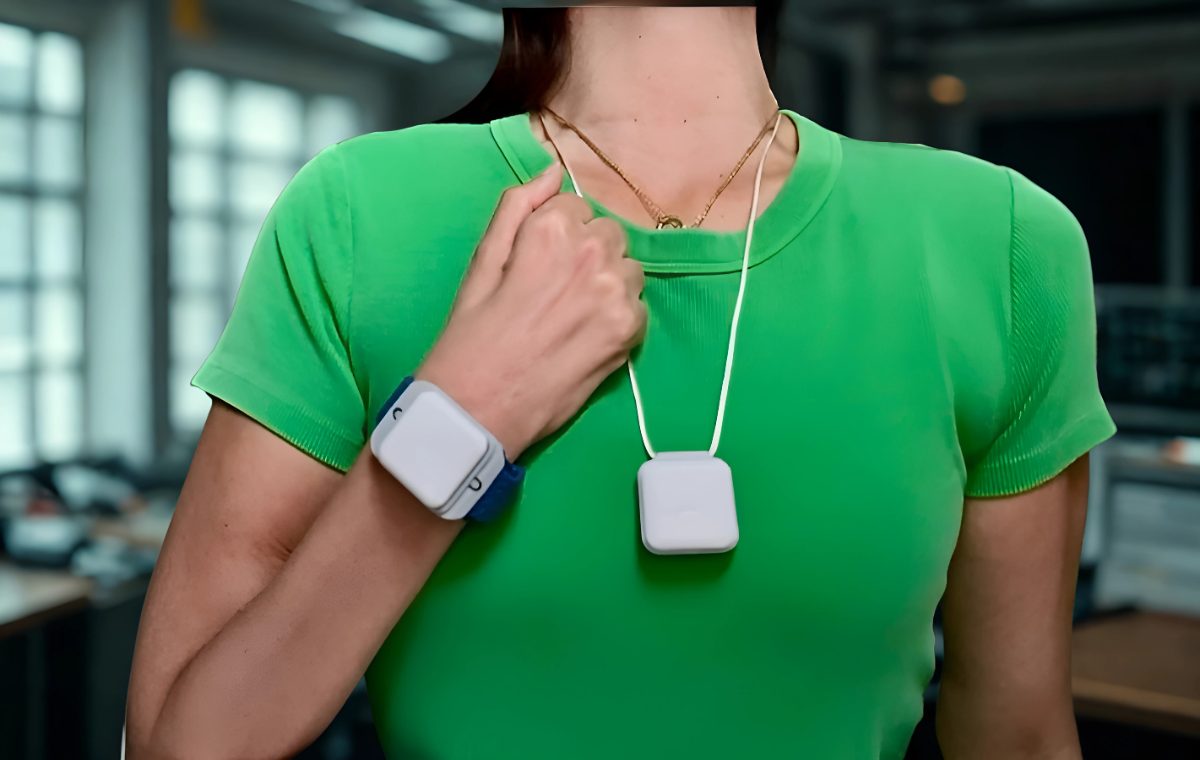
HNF runs wearable-technology pilot studies, including work with the wearable-sensor company BioSensics, to capture real-world monitoring data and develop better outcome measures for CMT. Sensors worn during ordinary activity record how CMT actually affects movement, giving researchers a continuous picture rather than a single snapshot.
That continuous signal is the raw material for digital biomarkers: objective, device-collected measures that can show whether a treatment is working. It is one of the clearest ways technology can make CMT trials more sensitive and more reliable.
From data to decisions
A CMT data warehouse
Even the best therapy can fail without clean, consistent, longitudinal data. As part of CMT DEPLOY, HNF is building a CMT data warehouse: aggregated, analysis-ready data with the quality control and structure that regulatory alignment requires. It is where the registry, wearable pilots, and study results come together so the whole field can draw on one trustworthy source.
Tech-enabled discovery
Technology in drug screening
HNF has also used tech-enabled drug-discovery platforms to accelerate therapy development across many CMT subtypes at once, screening large libraries of small molecules to find candidates that change CMT-relevant gene expression. The aim is to compress years of early discovery into a faster, data-driven process.
This work is done in collaboration with Transcripta Bio, previously operating as Rarebase, a biotechnology company focused on accelerating therapies for rare genetic diseases.
Frequently asked questions
What is a digital biomarker for CMT?
A digital biomarker is an objective measure derived from data a device collects, such as a wearable sensor worn during everyday activity. For CMT, digital biomarkers turn continuous, real-world signals about movement and fatigue into measures of progression and treatment response that a twice-a-year clinic visit cannot capture.
How does HNF use wearables in CMT research?
HNF runs wearable-technology pilot studies, including work with the wearable-sensor company BioSensics, to capture how CMT affects movement in the real world. The continuous signal from those sensors is the raw material for digital biomarkers and for more sensitive trial endpoints.
What is the CMT data warehouse?
As part of CMT DEPLOY, HNF is building a CMT data warehouse: aggregated, analysis-ready data with the quality control and structure that regulatory review requires. It brings the registry, wearable pilots, and study results together so the whole field can draw on one trustworthy source.
Why does technology matter for getting to CMT treatments?
Trials stall when data is missing, inconsistent, or collected too rarely. Technology that captures clean, real-time, real-world data gives sponsors more reliable endpoints, which makes CMT trials easier to design and more likely to succeed.
Power the data behind the tech
Every wearable pilot, digital biomarker, and data-warehouse record starts with patients who choose to contribute. Joining GRIN is how you put your real-world data to work.
For the science behind these tools, see our digital biomarkers research program, or read about the Clinical Trial Readiness Summit →