Diagnosed at seventeen, told at thirty
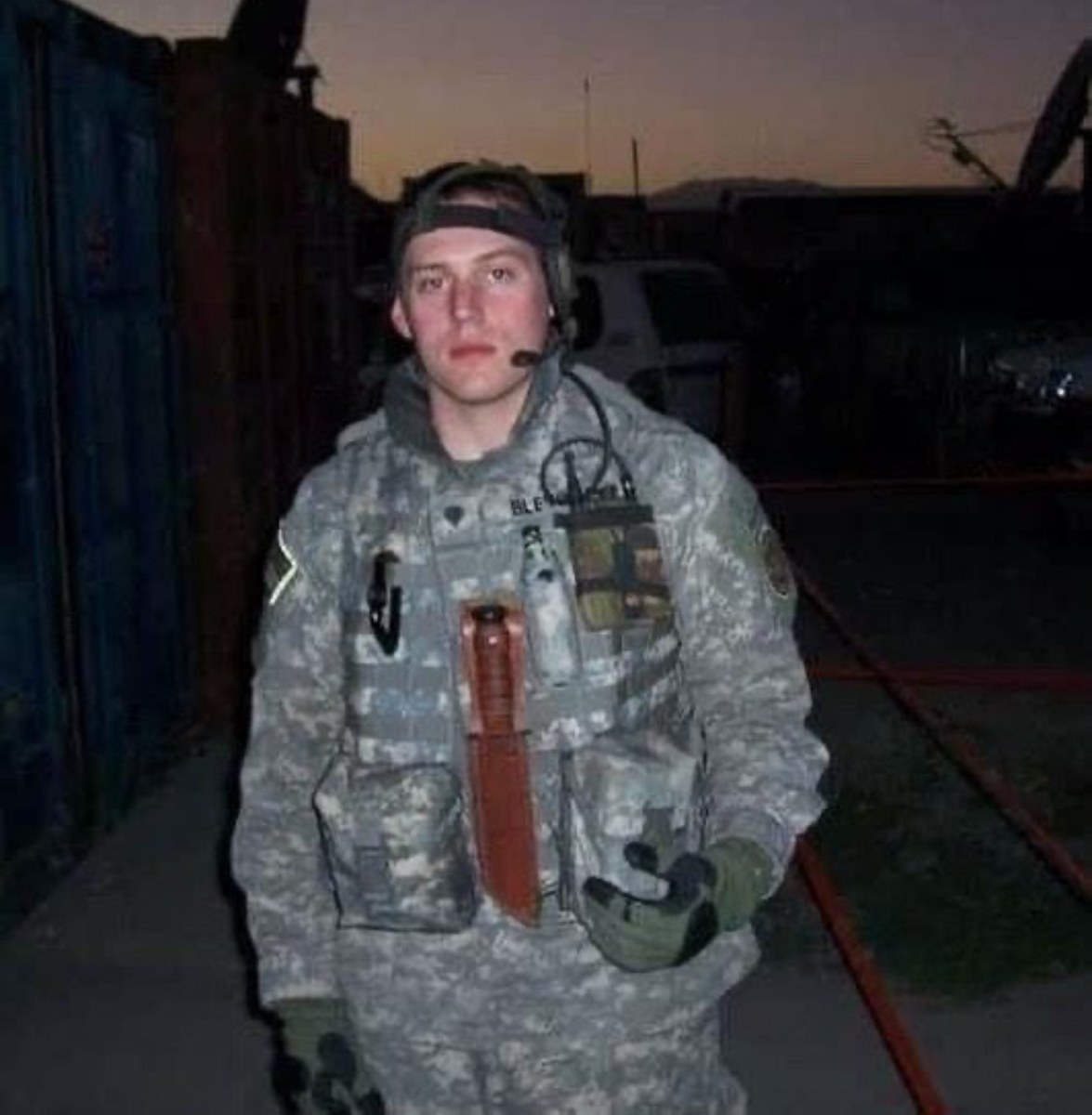
The first signs of Daniel's CMT appeared in his medical records at seventeen, during his entrance physical for the military. Doctors suspected CMT or another hereditary neuropathy and sent him for more evaluation, and it was essentially confirmed across several medical sources. Nobody told him. He was told instead that he was being looked at because his arches were too high for military service. He was allowed to enlist anyway.
From seventeen until around thirty he watched his body slowly decline without understanding why. Years of symptoms, injuries, medical testing, and trying to work out what was happening to him. By his thirties he already knew. He had nearly every symptom of CMT, so he went to the VA for an EMG and genetic testing to confirm it formally.
Receiving the official diagnosis was actually pretty uneventful. I had already spent years living with CMT and had known what I was dealing with long before someone finally put the diagnosis in front of me.
Daniel Blevins
The hard part is not the sixty miles
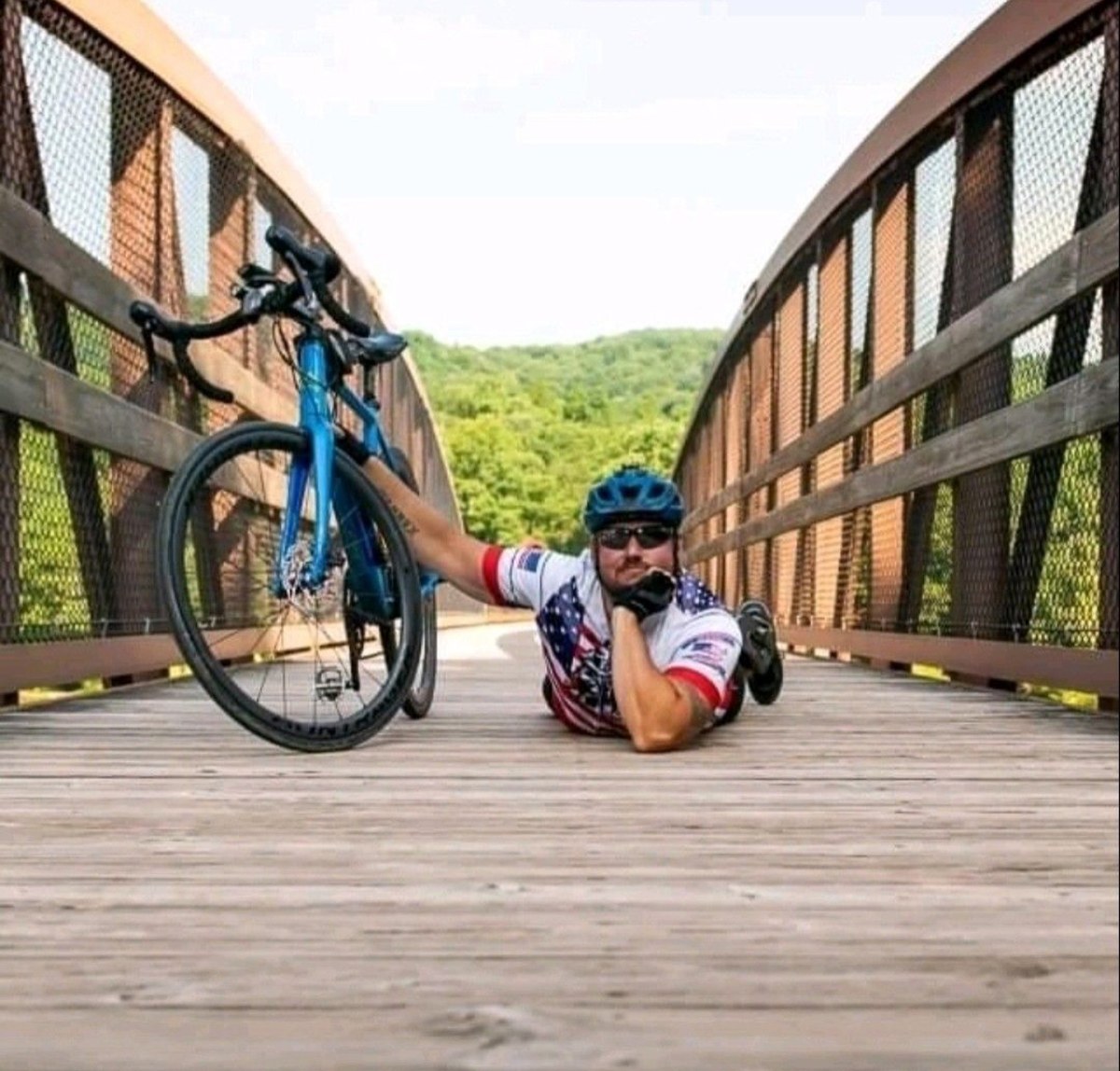
His day starts around 3:30 in the morning. Physical fitness is one of the ways he treats his CMT, so he moves his body however he can despite the pain, aiming to hold on to muscle mass, bone density, flexibility and mobility for as long as possible.
You might think getting on a bike and riding sixty miles would be the hard part of his day. He says that is the easy part.
It's hands that don't work when I need them to. It's brushing my teeth, folding laundry, walking around my house, opening a door, or trying to hold onto a pen while I'm working. CMT has taught me that sometimes the things that look extraordinary from the outside aren't nearly as difficult as the ordinary things nobody sees.
Daniel Blevins
The tools that let him do more
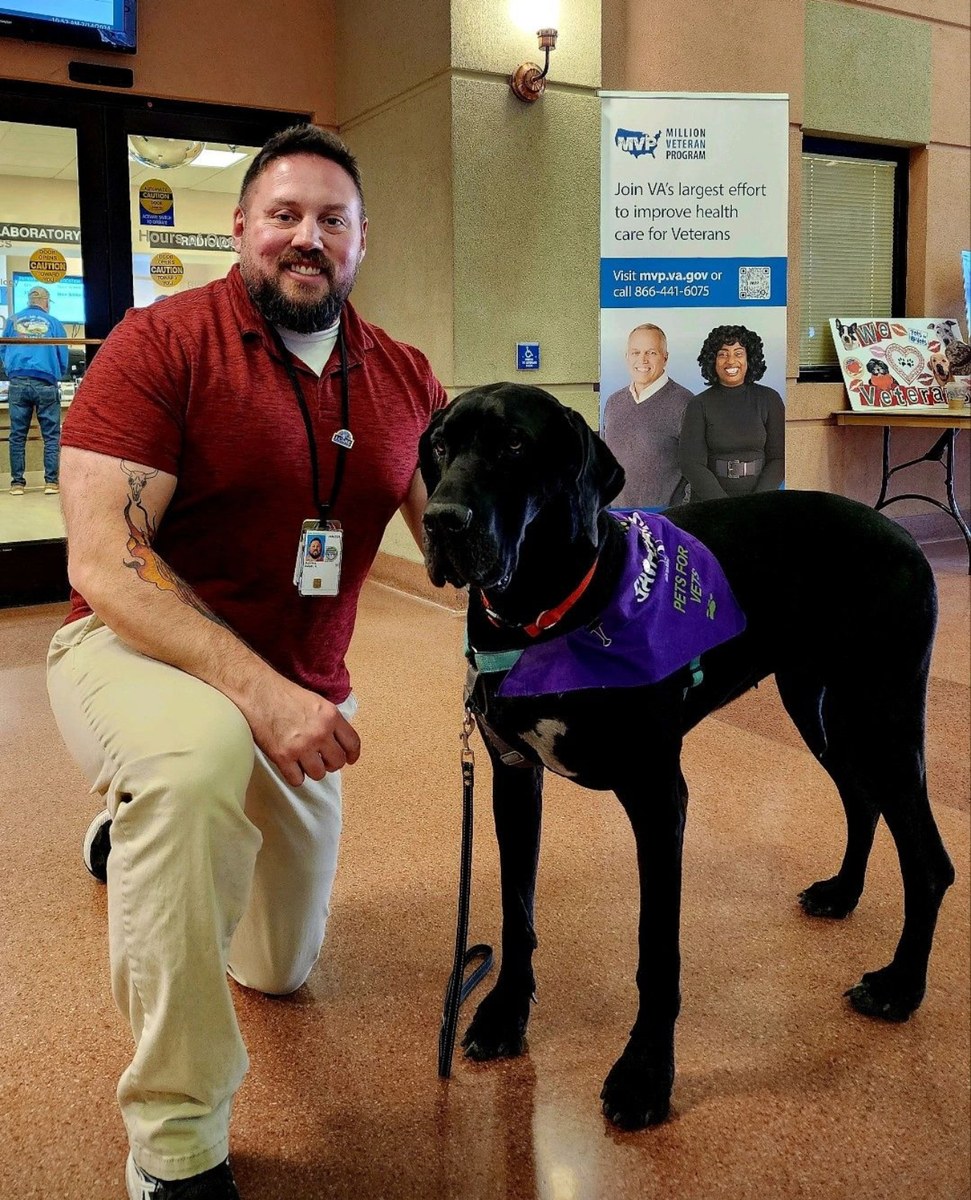
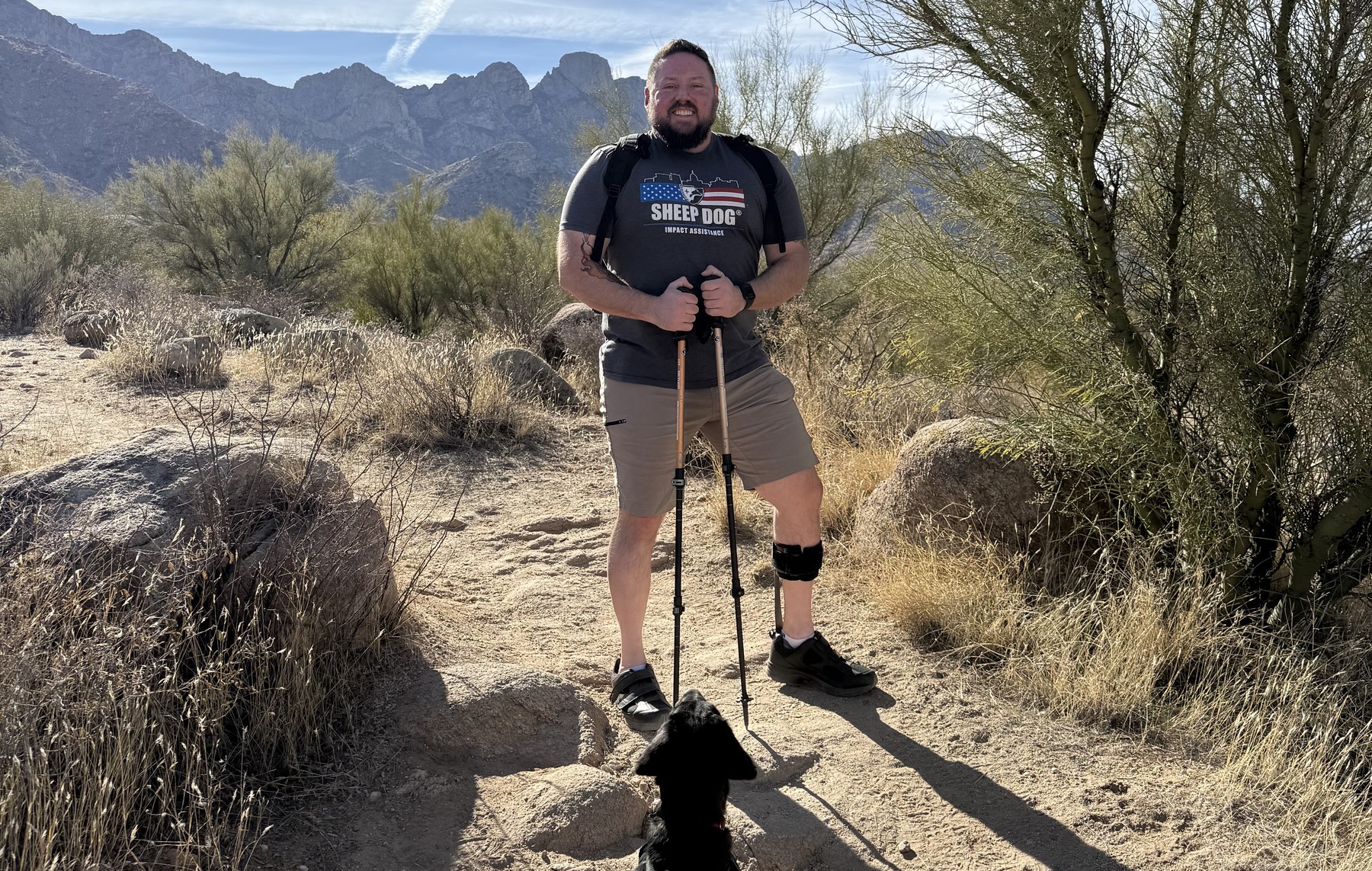
Daniel uses a service dog, ankle-foot orthoses, compression gear, specialized orthotic shoes, custom-made inserts and a cane. Not all of it all the time, because different situations call for different things, but there is usually a right tool for the job and you will almost always see him using something that keeps him moving.
I've learned not to look at mobility aids as something that limits me. They're things that allow me to do more.
Daniel Blevins
The logic is simple and it runs the other way from what most people assume. The more he uses the tools that keep him moving, the more he is able to move, and the more he moves, the more muscle he can keep activating and using.
Why he became a Dream Team ambassador
He spent a lot of time alone after his diagnosis. He did not know anyone else who had CMT. There was no real hope of treatment at the time, and the message was essentially that here is your new diminished life, and there is not much you can do except manage the symptoms.
That's a dark, lonely, and isolating place to be. But I've learned that isn't a place we have to live.
Daniel Blevins
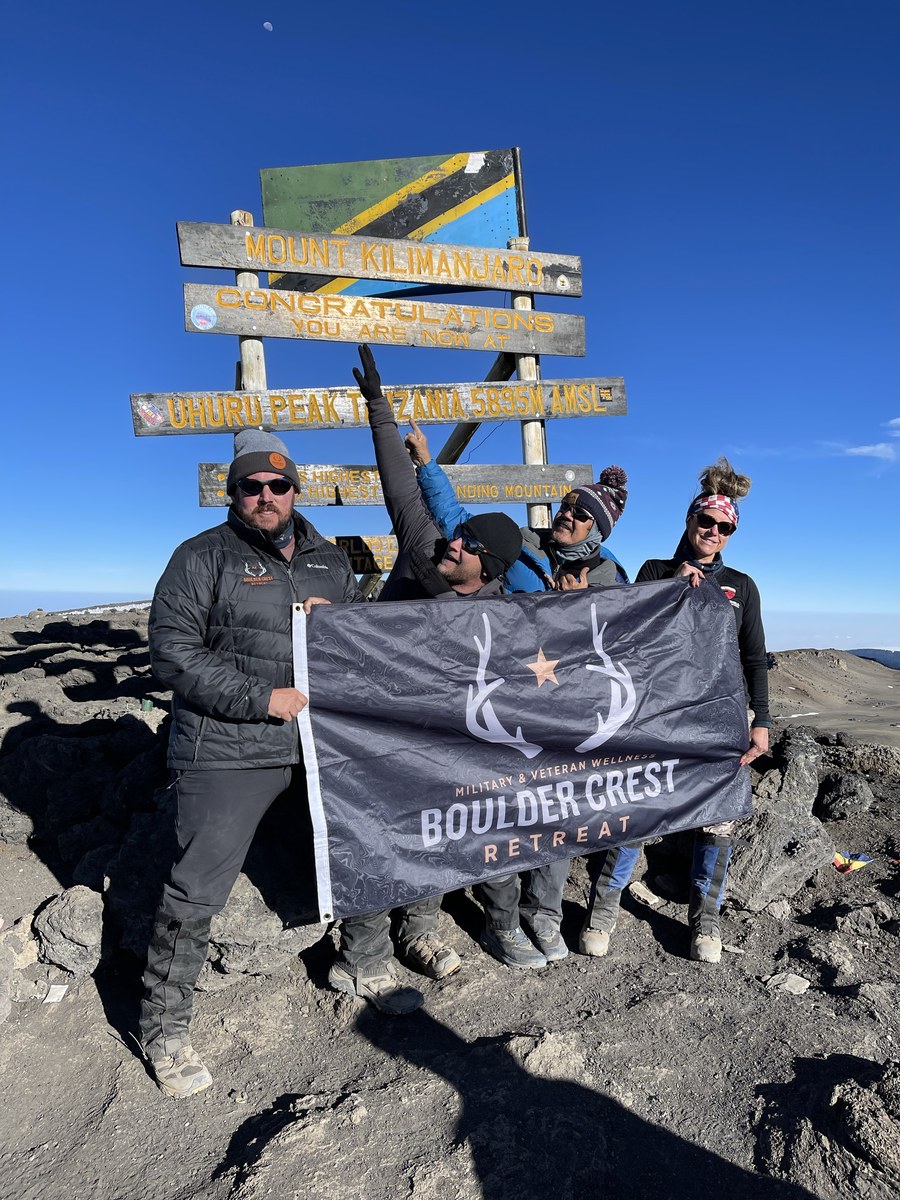
He became an ambassador because he wants people with CMT to see that their lives can be about more than managing symptoms. That they can work to improve their quality of life, challenge themselves, find community, and find meaning and purpose despite CMT.
What he would say to someone just diagnosed
It's not as bad as you think it is right now. There will be hard days. There will be things you have to adapt to and things you may have to do differently. But a diagnosis doesn't get to decide the size of your life. You just have to fight for the life you want.
Daniel Blevins
The invitation
Daniel was invited to a talent identification camp at the U.S. Olympic and Paralympic Training Center. He is clear about what that invitation actually represents: years of getting up and doing difficult things through pain, declining mobility, injuries, torn muscles, and a body that does not always cooperate.
There was a time when something like that would have seemed completely impossible to me. Somehow, I fought my way there.
Daniel Blevins
The thing nobody asks him about
I want people to know that I'm not weak, and I'm not clumsy. I'm strong. I'm capable. I'm also in a lot of pain.
Daniel Blevins
Holding things can be incredibly difficult. Walking long distances can be incredibly difficult. There are ordinary things that take far more effort from him than most people will ever realize. He would not pretend the hardships are not real, because they are. But CMT has also pushed him toward a deeper sense of purpose and connection than he ever expected.
There is still an incredible amount of life on the other side of a diagnosis. I've found meaning there that I never expected to find, and I hope everyone reading this gets the opportunity to experience that someday.
Daniel Blevins
Daniel is a board certified health and wellness coach and holds a master's degree in health science. He coaches at Revolution Well.