HNPP
HNPP, hereditary neuropathy with liability to pressure palsies, is in some ways the mirror image of CMT1A. It is caused by missing one copy of the PMP22 gene instead of having an extra one, and it leads to episodes of numbness or weakness after pressure on a nerve.
What HNPP is
HNPP is caused by a deletion of one copy of the PMP22 gene, the very same gene that is duplicated in CMT1A. With only one working copy instead of two, the body makes too little peripheral myelin protein 22, and the myelin around the nerves becomes unusually vulnerable to pressure and stretch.
The result is different from most forms of CMT. Instead of a steady, slowly progressive weakness, HNPP tends to cause episodes. A nerve that is leaned on, compressed, or stretched, even briefly, can stop working for a while, causing numbness or weakness in that area.
The most vulnerable nerves are at the common pressure points, such as the elbow, the wrist, and the outside of the knee. Under the microscope, the myelin shows characteristic sausage-shaped thickenings called tomacula, the hallmark of HNPP.
How common it is. HNPP accounts for about 3 to 15 percent of genetically confirmed cases in large patient cohorts, and the true figure is probably higher because mild cases are easily missed. It comes from a change in the same PMP22 gene as CMT1A.
Common signs and symptoms
Reported symptoms and their severity vary from person to person, even within the same family. This is a general picture, not a prediction for any one person.
- Episodes of numbness, tingling, or weakness in one area, often after pressure on a nerve (for example, from leaning on an elbow or crossing the legs)
- Attacks that are usually painless and come on over minutes to hours
- Most often affects the nerves at the elbow, the outside of the knee, or the wrist
- Full recovery after about half of episodes, usually over days to weeks, though some symptoms can linger
- Reduced or absent ankle reflexes, and sometimes high arches (pes cavus)
- Wide variation between people, even in the same family, from frequent attacks to almost no symptoms
Onset and how it changes over time
Symptoms of HNPP most often begin in the second or third decade of life, though the first attack can come earlier or later, sometimes triggered by an activity that puts sustained pressure on a nerve. Some people have their first episode in childhood, and a few never have obvious symptoms at all.
HNPP does not usually follow the steady downhill course people associate with CMT. Most episodes recover, fully or nearly so, and life expectancy is normal. Over many years some people develop a mild, more constant neuropathy, and repeated palsies at the same site can leave lasting weakness, so protecting vulnerable nerves matters.
How it is inherited
HNPP is inherited in an autosomal dominant pattern, so a single deleted copy of PMP22 is enough to cause it, and a parent with HNPP has about a 1 in 2 (50 percent) chance of passing it to each child. As with CMT1A, it can also appear for the first time with no family history. Because symptoms can be mild or come and go, other relatives may have it without knowing, which is one reason a genetic counselor can be helpful.
Autosomal dominant inheritance
One changed copy of the gene is enough to cause CMT. A parent who has it passes it to about half of their children, on average, sons and daughters alike.
- Affected
- Carrier
- Unaffected
- Male
- Female
This diagram shows a typical family. Real families vary, and it does not predict any specific outcome. A genetic counselor can walk through what it means for yours.
Faces of CMT
Real families living with HNPP, in their own words.
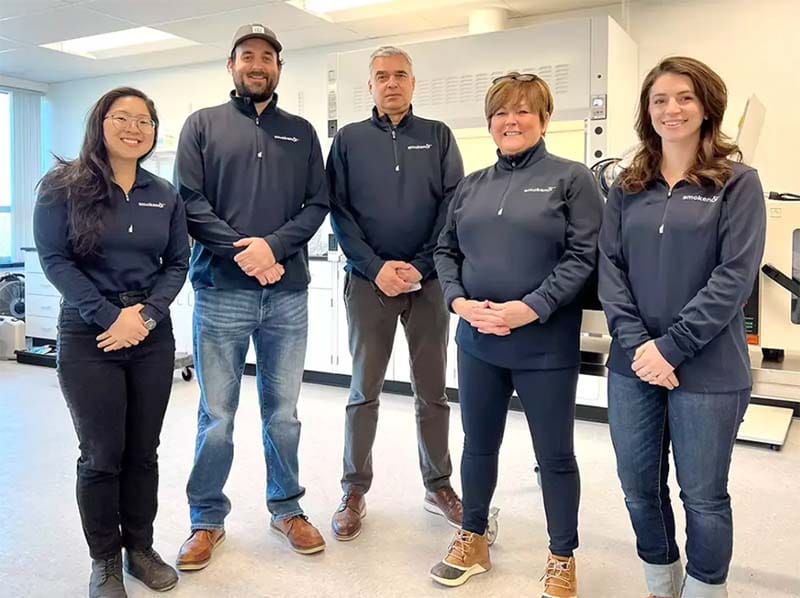
The Westerkamp Family · Westerkamp Family's HNPP Fund
A father and son who both live with HNPP.
Read their story ›Frequently asked questions
What is HNPP?
HNPP, hereditary neuropathy with liability to pressure palsies, is caused by a deletion of one copy of the PMP22 gene, the same gene that is duplicated in CMT1A. With only one working copy, the body makes too little peripheral myelin protein 22, and the myelin around the nerves becomes unusually vulnerable to pressure and stretch. Instead of steady weakness, it tends to cause episodes of numbness or weakness after a nerve is compressed. Confirming your subtype with genetic testing can clarify the diagnosis.
What are the symptoms of HNPP?
HNPP causes episodes of numbness, tingling, or weakness in one area, often after pressure on a nerve such as from leaning on an elbow or crossing the legs. These attacks are usually painless, come on over minutes to hours, and most often affect the nerves at the elbow, the outside of the knee, or the wrist. Some people also have reduced or absent ankle reflexes and sometimes high arches (pes cavus). There is wide variation between people, even in the same family, from frequent attacks to almost no symptoms.
How is HNPP inherited?
HNPP is inherited in an autosomal dominant pattern, so a single deleted copy of PMP22 is enough to cause it, and a parent with HNPP has about a 1 in 2 (50 percent) chance of passing it to each child. It can also appear for the first time with no family history. Because symptoms can be mild or come and go, other relatives may have it without knowing, which is one reason a genetic counselor can be helpful.
Is HNPP progressive or life-threatening?
HNPP does not usually follow the steady downhill course people associate with CMT. Most episodes recover, fully or nearly so, and life expectancy is normal. Over many years some people develop a mild, more constant neuropathy, and repeated palsies at the same site can leave lasting weakness, so protecting vulnerable nerves matters.
When does HNPP usually begin?
Symptoms of HNPP most often begin in the second or third decade of life, though the first attack can come earlier or later, sometimes triggered by an activity that puts sustained pressure on a nerve. Some people have their first episode in childhood, and a few never have obvious symptoms at all.
Confirm your subtype
If you have a clinical CMT diagnosis but no confirmed gene, genetic testing is how you learn your subtype. CMT Genie helps you and your provider get tested and connects you with telehealth genetic counseling.
Clinical information on this page is based on van Paassen et al., Orphanet Journal of Rare Diseases (2014), and GeneReviews. Verified 2026-07-08.