HNF’s Scientific and Medical Advisory Board guides the Foundation’s research strategy and
clinical care. It works through two councils that overlap: the TRIAD Council
(Therapeutic Research and Accelerated Discovery), which steers the science from promising target to
clinical trial, and the GRIN Council, which guides the Global Registry for Inherited
Neuropathies and the patient data that powers it. Many advisors serve on more than one; each card
below shows where they sit.
TRIAD CouncilMedical Advisory BoardGRIN Council
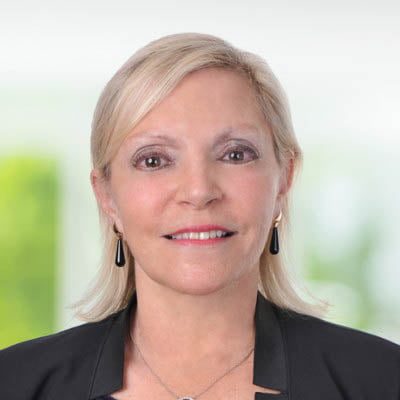
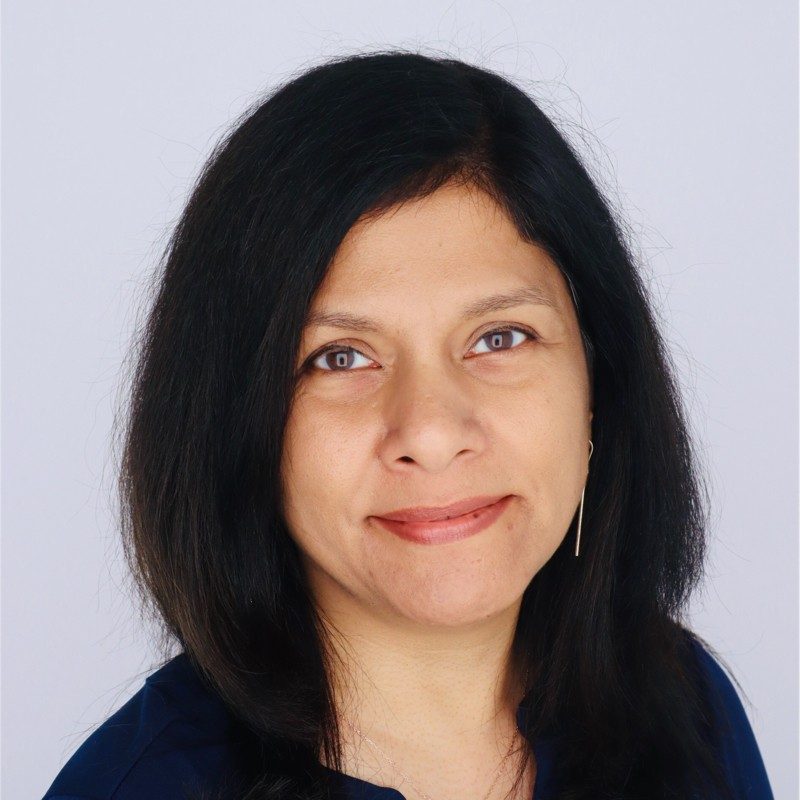
Renee JG Arnold, PharmD, RPh
President & CEO, Arnold Consultancy & Technology LLC
Arnold Consultancy & Technology LLC
TRIAD
Read bio
Renee JG Arnold completed her undergraduate training at the University of Maryland, received her Doctor of Pharmacy degree from the University of Southern California, and completed a post-doctoral residency at University Hospital in San Diego and the University of California at San Francisco School of Pharmacy. She is President & CEO of Arnold Consultancy & Technology LLC in New York City and Practice Lead, HEOR at Quorum Consulting, Inc. in San Francisco, where she oversees outcomes research and develops software for pharmaceutical and federal government programs. Her academic titles include Adjunct Associate Professor in the Master of Public Health program at the Mount Sinai School of Medicine and Full Adjunct Professor at Long Island University College of Pharmacy and Health Sciences, and she is a founding member of ISPOR and author or co-author of numerous articles and book chapters in pharmacology, pharmacoeconomics, and cost containment strategies.
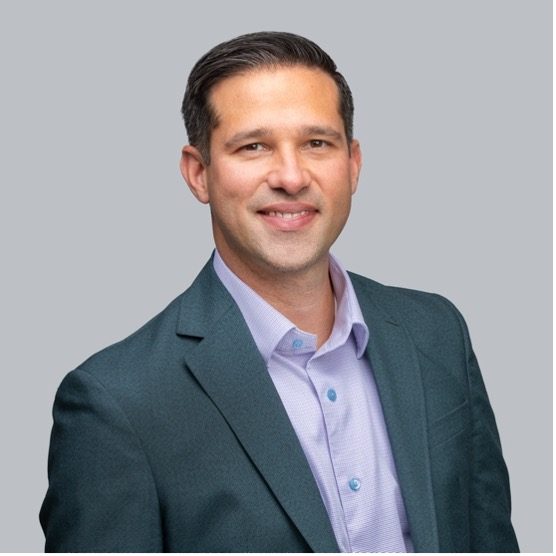
Robert Bell, PhD
Chief Scientific Officer
Ascidian Therapeutics
TRIAD
Read bio
Dr. Robert Bell is Chief Scientific Officer at Ascidian Therapeutics, a biotechnology company pioneering RNA exon editing therapies for human diseases. He previously held key positions in Pfizer's Neuroscience and Rare Disease Research Units, where he directed research teams and participated in business development initiatives. He has deep expertise in developing preclinical models to elucidate disease mechanisms and extensive experience leading drug discovery programs from target validation through clinical candidate selection and IND-enabling activities, including comprehensive research and clinical plans for multiple gene therapy programs. He earned his PhD in pathology and completed a postdoctoral fellowship at the University of Rochester, is an inventor on several patents, has authored numerous scientific publications, and serves on HNF's TRIAD Council.
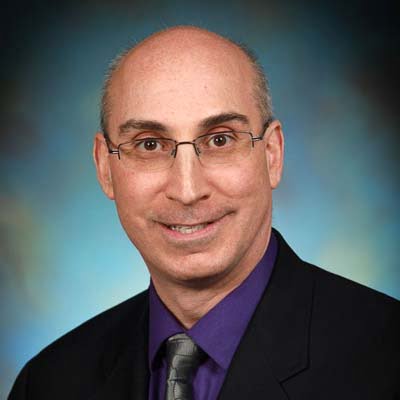
Wayne Berberian, MD
Orthopaedic Foot and Ankle Surgeon, Educator and Researcher
Hackensack Meridian School of Medicine
Medical
Read bio
Wayne S. Berberian, MD is an orthopaedic foot and ankle surgeon, educator, and researcher with over twenty years of experience treating hereditary motor and sensory neuropathies, evaluating and treating patients with Charcot-Marie-Tooth Disease using both non surgical and surgical methods. He trained in the Six Year Combined BA MD Program conducted jointly by Lehigh University and The Medical College of Pennsylvania, completed a research fellowship in bone regeneration at the Hospital for Special Surgery and an orthopaedic residency at New Jersey Medical School, and earned an MBA in Healthcare Administration from the University of Tennessee. He is currently Professor and Vice Chair of the Department of Orthopaedics and Section Chief of the Foot and Ankle Service at Hackensack Meridian School of Medicine.
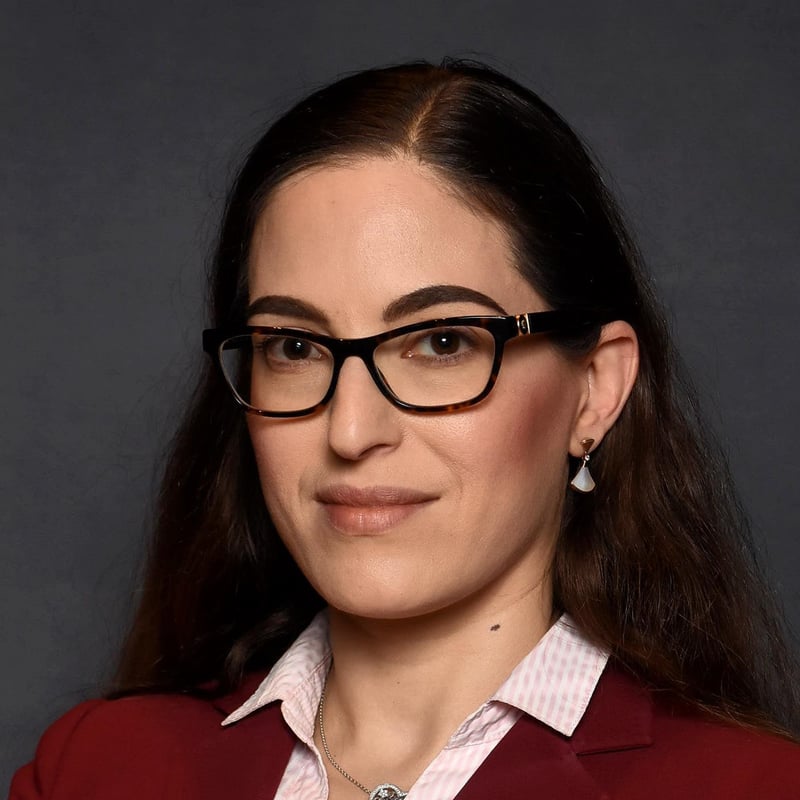
Sheba Bergman-Golden, PhD, MSc
Founder and CEO, Collage Nutrition PLLC; VP of Project Management, Miralinc Pharma
Collage Nutrition PLLC; Miralinc Pharma
TRIAD
Read bio
Sheba Bergman-Golden is a Registered Dietitian Nutritionist licensed in New York, Connecticut, Texas, and Utah. She holds an MSc in Nutrition and Exercise Physiology from Teachers College, Columbia University, and a PhD in Chemistry from Tel Aviv University, and completed dietetic internships at Mt. Sinai's Weight and Eating Disorders Group, Blythedale Children's Hospital, New York Presbyterian Hospital's Medicine/Surgery department, and Columbia University Athletics working with Division 1 collegiate athletes. She is the founder and CEO of Collage Nutrition PLLC, a private practice that focuses on nutrition throughout the lifecycle, and VP of Project Management at Miralinc Pharma Inc, a company focused on bringing HDAC6 inhibitors to market for the treatment of hereditary and acquired neuropathies.
Robert Burgess, PhD
Professor
The Jackson Laboratory, Bar Harbor, Maine
TRIAD
Read bio
Dr. Robert Burgess received his B.S. in Biochemistry from Michigan State University in 1990 and his Ph.D. in Neuroscience from Stanford University in 1996, and after a postdoctoral fellowship at Washington University in St. Louis he took a faculty position at The Jackson Laboratory in Bar Harbor in 2001, where he is now a full Professor. Research in the Burgess lab seeks to understand the molecular mechanisms of synapse formation and maintenance at the peripheral neuromuscular junction and in the retina, basic mechanisms with direct relevance to human neuromuscular and neurodevelopmental disorders. The lab is heavily invested in developing and studying precision mouse models of inherited peripheral neuropathies (Charcot-Marie-Tooth disease) and increasingly uses them to test therapeutic strategies in preclinical studies, especially gene therapy approaches, with the goal of translating those findings to patients.
Joshua Burns, PhD
Jeweler's Charity Fund Endowed Chair; Director, Disability Prevention Program
St. Jude Children's Research Hospital
GRIN
Read bio
Dr. Joshua Burns is the Jeweler's Charity Fund Endowed Chair and Director of the Disability Prevention Program at St. Jude Children's Research Hospital in Memphis, Tennessee, where he leads a translational research program focused on precision measurement and personalized healthcare for pediatric patients with neurologic diseases and survivors of childhood cancer. His work integrates clinical neuroscience and cancer epidemiology to advance early detection, optimize functional outcomes, and prevent long-term disability. Prior to his appointment at St. Jude in 2024, he served as Dean of the School of Health Sciences at the University of Sydney, Australia.
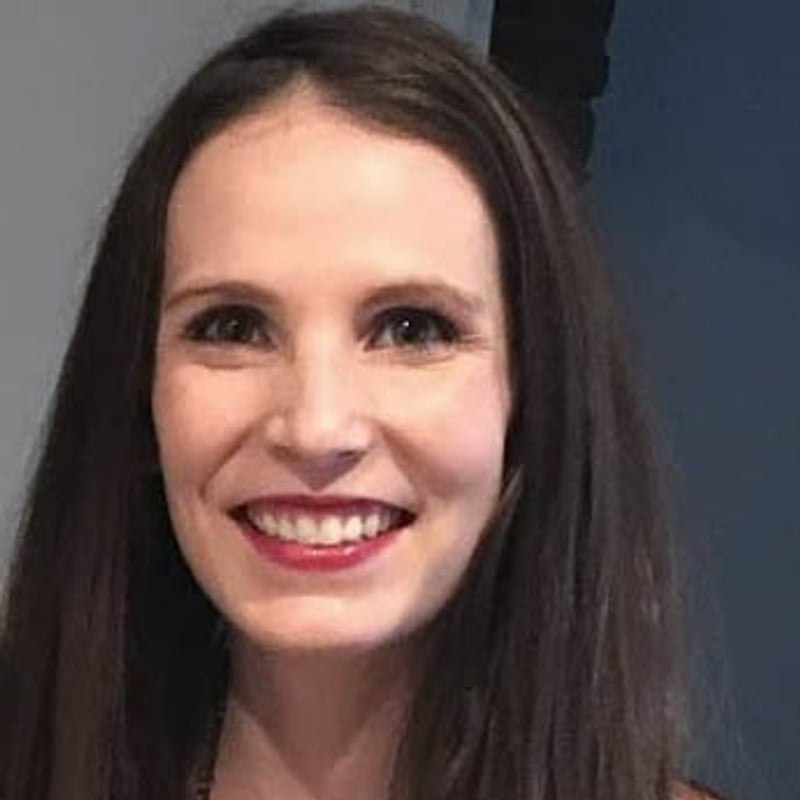
Kayla Cornett, PhD
Postdoctoral Research Fellow
University of Sydney and Children's Hospital at Westmead
GRIN
Read bio
Kayla Cornett, PhD, is an NIH funded postdoctoral research fellow at the University of Sydney and Children's Hospital at Westmead and an expert in clinical outcome measurement for pediatric neuromuscular diseases. As an early career researcher she has over 35 publications, including a seminal report in the Annals of Neurology on the natural history of Charcot-Marie-Tooth disease during childhood. She collaborates with leading Charcot-Marie-Tooth disease researchers internationally, with her research focusing on reliable and sensitive assessment of function in children with neuromuscular diseases.
Jahannaz Dastgir, DO
Pediatric Neurologist
Morristown, New Jersey
TRIAD
Read bio
Dr. Jahannaz Dastgir is a pediatric neurologist in Morristown, New Jersey, affiliated with multiple hospitals in the area, with more than a decade in practice. She treats disorders of the brain in children, including headaches, seizures, epilepsy, multiple sclerosis, sleep disorders, and neuromuscular disease.
Peter B. Kang, MD
Pediatric Neurologist & Physician Scientist, Professor of Pediatrics & Chief of the Division of Pediatric Neurology
University of Florida College of Medicine
Medical
Read bio
Peter B. Kang, MD is a pediatric neurologist and physician scientist with subspecialty certification in neuromuscular medicine who diagnoses and treats children with hereditary neuropathy, and serves as Professor of Pediatrics and Chief of the Division of Pediatric Neurology at the University of Florida College of Medicine. His research has been funded by the National Institutes of Health, the Centers for Disease Control and Prevention, the Muscular Dystrophy Association, and the Xtraordinary Joy Foundation, and he serves as an associate editor for Muscle & Nerve and on the editorial boards of Neurology and Pediatric Neurology. He co-edited a textbook on pediatric electromyography published in 2017, has lectured at the national conferences of the AAN, AAP, AANEM, Child Neurology Society, and MDA, and was awarded a University of Florida Foundation Research Professorship in 2020.
Lucia Notterpek, PhD
Professor and Associate Dean of Biomedical Research
University of Nevada, Reno School of Medicine
TRIAD
Read bio
Dr. Lucia Notterpek is Professor and Associate Dean of Biomedical Research at the School of Medicine, University of Nevada, Reno. She investigates how the loss of myelin, the glial insulation around axons, contributes to the pathogenesis of hereditary and age-related neural disorders. Her laboratory studies peripheral neuropathies, including CMT and trigeminal neuralgia, with a focus on glial biology and lipid metabolism, working to understand the subcellular changes within neural cells that underlie the progressive nature of these disorders and normal aging-associated myelin degeneration. A major emphasis of her research concerns dietary approaches that could support the maintenance of healthy myelin throughout the lifespan and its repair in disease. She has authored over 70 publications, reviews, and book chapters, and serves on research advisory and grant review panels for private and public organizations.
James Nussbaum, PT, PhD, SCS, CSCS, EMT
Clinical Director
Medical
Glenn B. Pfeffer, MD
Associate Professor, Orthopedics; Co-Director, Cedars-Sinai-USC Dance Medicine Center; Director, Foot and Ankle Surgery Program
Cedars-Sinai
Medical
Sindhu Ramchandren, MD, MS
Executive Medical Director, Neuroscience; Disease Cluster Lead, Neuroimmunology and Neuromuscular Disorders
Johnson & Johnson
TRIAD
Read bio
Dr. Sindhu Ramchandren is a board-certified neurologist and neuromuscular specialist who completed her medical degree at the University of Texas-Houston, her neurology residency at the University of Pennsylvania, a clinical neurophysiology-EMG fellowship at Johns Hopkins University, and a master's degree in clinical research design and statistical analysis at the University of Michigan. She was medical director of the Muscular Dystrophy Care Center and the CMT Center of Excellence at the University of Michigan, where her clinical program cared for pediatric and adult CMT patients and her research developed and validated patient-centered clinical trial outcome measures, and she later served as Medical Director at PRA Health Sciences. She is currently Executive Medical Director, Neuroscience and Disease Cluster Lead for Neuroimmunology and Neuromuscular Disorders at Johnson & Johnson.
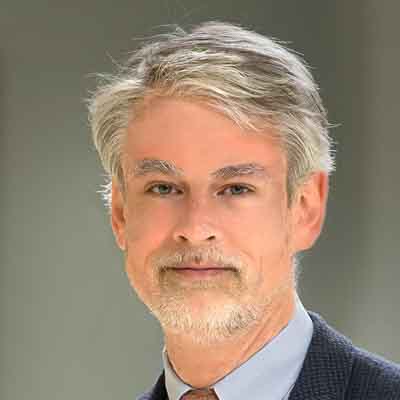
Michael Sereda, MD, PhD
Professor of Neurology and Group Leader, Department of Neurogenetics
Max Planck Institute of Experimental Medicine, Goettingen, Germany
TRIAD
Read bio
Dr. Michael Sereda is Professor of Neurology and Group Leader in the Department of Neurogenetics at the Max Planck Institute of Experimental Medicine in Goettingen, Germany. A former postdoctoral fellow in the group of Prof. K.-A. Nave, he completed his neurology residency at the University of Goettingen, where he is currently a Consultant Neurologist. His research covers Schwann cell and molecular biology, axon-glia interaction, and the disease mechanisms of Charcot-Marie-Tooth disease. He generated a transgenic rat model of CMT1A used to analyze modifier genes and epigenetic factors and to evaluate experimental treatment strategies, and has identified biomarkers of disease severity in CMT1A patients that he is validating across Europe to support future clinical trials.
Florian P. Thomas, MD, MA, PhD, MSc
Director, Hereditary Neuropathy Center, Hackensack University Medical Center; Founding Chair and Professor, Department of Neurology, Hackensack Meridian School of Medicine
Hackensack University Medical Center; Hackensack Meridian School of Medicine
TRIADMedicalGRIN
Read bio
Dr. Thomas has cared for people with CMT and conducted CMT research for over 30 years, favoring an inter-professional, patient-centered approach; his past research focused on histological studies in CMT1B, he is US lead investigator on two CMT clinical trials, and with European colleagues he identified the gene mutation responsible for DI CMT C and characterized its cell biology. He serves as Founding Chair and Professor in the Department of Neurology at Hackensack Meridian School of Medicine and as Clinical Affiliate Professor at Seton Hall University, and at Hackensack University Medical Center he chairs the Neuroscience Institute and is Founding Director of the Multiple Sclerosis Center and the Hereditary Neuropathy Foundation Center of Excellence. He was previously a tenured Professor of Neurology at St. Louis University, where he directed the National MS Society Multiple Sclerosis Center and the Hereditary Neuropathy Foundation Center of Excellence.
Corinne Weinstein
Oncology Pharmacist
GRIN
Read bio
Corinne Weinstein was born and raised in Colorado and completed her undergraduate coursework and Pharm.D. at Regis University. She works as an oncology pharmacist at an infusion center in Lafayette, Colorado, where as an oncology pharmacist she is in a unique position to educate her colleagues not only about CMT and related inherited neuropathies such as HSAN, but also about the detrimental effects neurotoxic chemotherapy can have in a CMT or HSAN patient. Despite having symptoms of CMT since childhood, including high arches and hammertoes, she has never received an official genetic diagnosis despite whole genome sequencing, and her clinical presentation is consistent with an unknown type of what her neurologist believes to be hereditary sensory and autonomic neuropathy (HSAN).
Dianna E. Willis, PhD
Associate Director, Burke Neurological Institute; Director, Burke-Blythedale Program in Pediatric Clinical Neuroscience; Assistant Professor, Brain and Mind Research Institute, Weill Cornell Medicine
Burke Neurological Institute; Weill Cornell Medicine
TRIAD
Read bio
Dianna E. Willis, Ph.D., heads the Laboratory for Axonal and RNA Biology, is Director of the Center for Pain Research, and serves as Associate Director at the Burke Neurological Institute, as well as Assistant Professor of Neuroscience at Weill Cornell Medicine and Director of the Burke-Blythedale Program in Pediatric Clinical Neuroscience. She received her undergraduate degree in Biology from the University of Pittsburgh in 1994 and her Ph.D. in Molecular Biology and Genetics from the University of Delaware in 2002, followed by postdoctoral training at Nemours Biomedical Research and a visiting scientist position at Vrije Universiteit in the Netherlands. Her research focuses on how aberrant axonal translation may lead to maladaptive plasticity as seen in neuropathic pain and neuropathy.
What the TRIAD Council does
HNF developed Therapeutic Research In Accelerated Discovery (TRIAD) as a collaboration across academia,
government, and industry to develop treatments for CMT, spanning the full drug discovery, development,
and diagnostics continuum. The TRIAD Council is the body at the center of that effort. Its members carry
three core responsibilities that, together, shape HNF’s research portfolio.
Review grant proposalsCouncil members evaluate proposals for scientific merit and fit with HNF's research strategy.
Provide expert guidanceThey offer regular guidance and direction across the drug discovery, development, and diagnostics continuum.
Assess project outcomesThey assess outcomes and milestones to keep the portfolio moving toward clinical trials.
From proposal to clinical trial
How the council steers HNF’s research
HNF funds research with one goal in mind: advancing to clinical trials for CMT. The TRIAD Council is
how HNF keeps that focus. By weighing each proposal on its merits, guiding active projects, and judging
outcomes against real milestones, the council makes sure HNF’s funding goes to the science most
likely to reach patients. It is the same patient-first principle that runs through all of HNF’s
work, from the first proposal to the clinic.
Explore TRIAD
The Advisory Board and Council is the people and governance side of TRIAD. Two companion pages cover the
science and the partnership.
Changes how this site looks for you, and are saved on this device.
We use cookies to see how the site is used (analytics) and to power embedded videos and podcasts.
Analytics stay off until you say yes. See our privacy policy.
Be the first to know
Become a CureCMT insider
Research moves fast. Add your number and we will text you the things that matter most:
new treatment news, trial openings, and ways to take part before they fill up.